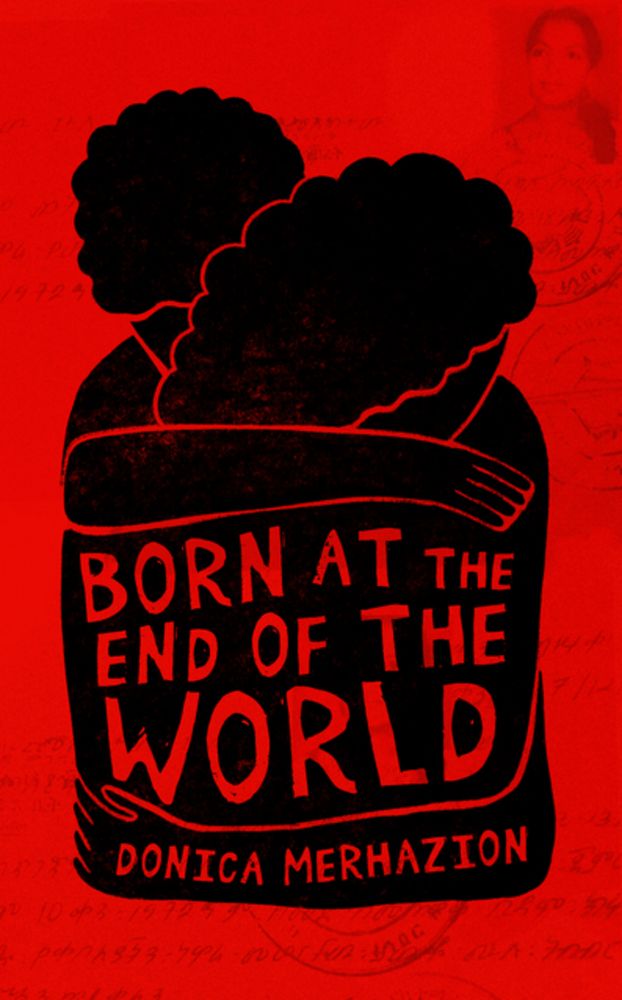
384 pp. February 17, 2026, Catalyst Press. Historical Fiction.
Conflict in Ethiopia and the region goes back generations. A recent novel, Ian MacKenzie’s Nothing on Earth, describes Ethiopia’s history rather romantically as “regal and violent, a saga of kingdoms rising and falling and entering into battle, highlanders storming and conquering the lowlands.” And of course the prospect of open civil war has been simmering since 2018, when Nobel Peace Prize winner Abiy Ahmed Ali took office.
The history of Ethiopia and states that have seceded, or that want to secede from it, is indeed an extremely complicated one. Eritrea was an Italian colony for decades, from 1885 to 1942, British rule until 1952, and then federal status under Ethiopia until 1962, when it was annexed. It finally won its independence after a thirty-year-long war in 1991. The Oromo people, while divided in their goals, also sometimes clash with the federal government. And Tigray, a region of Ethiopia that shares cultural and language ties with Eritrea, has remained restive since the most recent war by dissidents against the Ethiopian government in 2020-2022. Fighting has resumed yet again now, in late 2026, in Tigray; and Eritrea and Ethiopia are on the verge of war again.
Eritrean independence is the subject of a book reviewed in The Continent earlier this year, I Hope You Find What You’re Looking For by Bsrat Mezghebe, and of this novel too. Donica Merhazion has woven her family’s history into the story of Elen. Set mostly in the 1960s and ‘70s, the novel begins with Elen fleeing her village at thirteen after her father arranges a marriage between her and a much older wealthy man. She goes to her aunt in Asmara who has modern views, including that children should not be married off. Elen also trusts her aunt to help her seek treatment for an abscess on her face. She ends up at a mission hospital, masquerading as an orphan so that she will not be made to pay for her medical care. Not only is her health restored, but Elen thrives in that environment and finds her feet. Once well again, she’s able to stand up to her parents about not returning to the village. Instead, through her aunt, she finds work as a waitress, and is soon absorbed into urban life.
Later, Elen has saved up enough money to set up a business—a bar—just at the time when Emperor Haile Selassie is overthrown, and Asmara becomes restive under the Derg. With Derg soldiers an increasing presence in Asmara, Elen’s bar becomes a place where they gather, and where Elen can pick up gossip to pass on to Eritrea’s freedom fighters. She soon makes herself indispensable, but this also attracts the attention of the paranoid local Derg officials, and Elen nearly pays with her life.
This is also a love story, not only for nation, but between a man and a woman. After some false starts, Elen meets the love of her life in a fellow freedom fighter and spy, Girmai. Although the novel’s POV switches between Elen and Girmai, this is mainly Elen’s story. Girmai serves mainly as her foil: a man with a different and perhaps more central role in Eritrea’s struggle, but it’s clear the couple complements one another.
This is the story of the formation of a family through the life of its future matriarch. Elen is caught up in a struggle that’s not, strictly speaking, hers. She’s Ethiopian, and Eritrea is her adopted country. But partly as an accident of circumstance, partly in gratitude to the place where she finds her own freedom—also now that she’s a mother, for her children’s future—Elen wants to do what she can for Eritrea’s independence. She’s arrested, and becomes a victim of the brutality the Derg visits on ordinary citizens—known as the Red Terror—particularly when they’re suspected of being politically active, but even when they’re not. Significantly, here Merhazion is telling the story of the torture of and atrocities specifically against a woman. She spares us none of the details of what Elen, now a mother, suffers in prison. (Like Elen, Merhazion’s mother was incarcerated in the notorious prison, Alem Bekagn.) These passages about Elen’s experiences are extremely difficult to read, and sometimes quite graphic; but these things happened to real people at the time. It feels important not to look away from any of it. And so this novel, while partly fictional, serves as social history, a record of important oral and personal history of the Derg’s activities against the people of Eritrea. It may make no claim to commentary about current events, but remembering history may help us identify when we’re repeating it.
Another striking theme of this novel is its portrayal of people on the move. Firstly, as mentioned before, Elen is actually a migrant in Eritrea, but she takes on the struggle of Eritrea’s peoples for independence. Additionally, towards the end of the book, Merhazion describes the fraught and dreadful flight of characters across the border in search of safety, how they are then able to begin a new life in another country. Without this journey, a family would have been wiped out (again reflecting the author’s own family history). While the novel may not have set out to do so, Merhazion’s sympathetic portrayal of lives remade—and her note at the end of the book—is a reminder that no one should ever be considered a stranger when they are in need.
Elen’s story is riveting, and Born at the End of the World is a deeply stirring and emotionally charged novel. It’s worth trying, but not necessary for the reading of the novel, to bone up on the region’s history for greater context, and to understand why conflict keeps flaring up. While Ethiopia and its surrounds never feel like they’re completely at peace, reading this novel about events sixty to seventy years ago at a time when it’s all relevant again feels quite shocking.
Related reads:
Check out–
- Black Foam x Haji Jabir, Sawad Hussain (tr), Marcia Lynx Qualey (tr), about an Eritrean man who becomes a refugee in various places, and eventually lands in Israel.
- The Tigrayan Electrician x Issayas Y Bahta:
“Eritrea emerged as a nation under Italian colonialism. Ethiopian rulers were quick to claim Eritrea after Italy’s defeat in World War II. The United Nations intervened and endorsed a federal association of democratic Eritrea with monarchic Ethiopia. The Ethiopian emperor dismantled the federal arrangement and absorbed Eritrea into his fiefdom of provinces. Eritrea’s autonomy and democratic form of government were erased. Eritreans who opposed this forced annexation, endured violent retribution, and took up arms to reclaim their freedom. The empire responded with more repression.” - I Hope You Find What You’re Looking For x Bsrat Mezghebe, “a story about a family—how it’s made, how it keeps secrets, and how those secrets won’t stay hidden forever. It switches between the points of view of two women and a girl, the family of this novel: the young girl just starting to figure out her identity; her complicated and unforthcoming mother who carries heavy and painful secrets; and her other “mother” who just wants the best for her family, but who also finally has a chance to make her own dreams come true.”
- Oromay x Baalu Girma, David DeGusta, Mesfin Feleke Yirgu: rtk
- and although it’s mostly about Ethiopia rather than Eritrea, Nothing on Earth x Ian MacKenzie.
Affiliate link: Support independent bookshops and my writing by ordering Born at the End of The World from Bookshop here.
Find out more about Born at the End of The World from the publisher’s site here.


Leave a comment