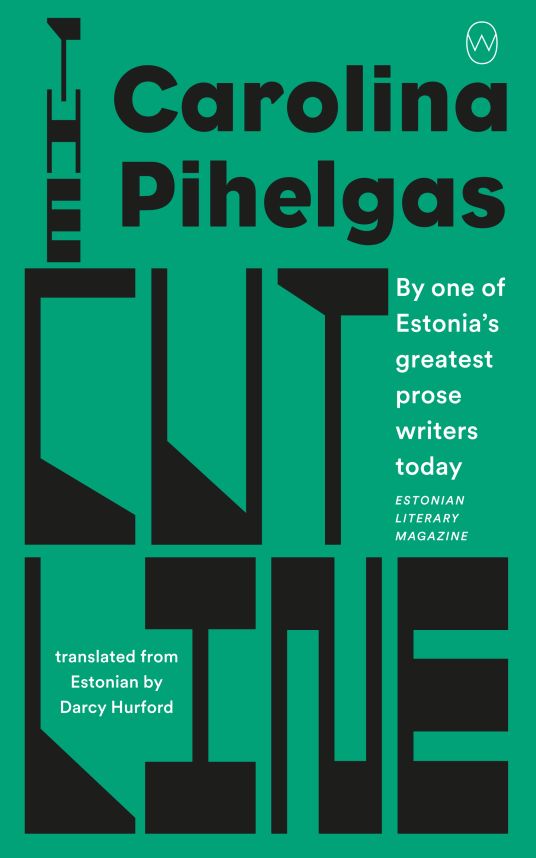
142 pp. February 3, 2026, World Editions. Fiction.
This review first appeared in The Sunday Long Read, August 16, 2026.
Right at the beginning of this novel, the narrator goes into the garden and digs for an hour “in a completely arbitrary patch,” which, she says, “is a time-honored method of banishing thoughts.” And this seems necessary, because her ex’s voice is relentless in her head; she can’t stop thinking about the toxicity and control of their long relationship, of all the horrible things he said to her. She ruminates as she examines what remains in the house they shared—a long, blunt knife (part of a recurring theme in the book: the knife, an axe, a scythe); a drawerful of plastic spoons; the lawn that needs mowing.
This is a quiet, dryly wise novel, sad but not overly so. The narrator is performing an autopsy of a relationship that once felt good and hopeful, and coming to an understanding of what she had lost—herself, and her power. Set against her internal (and generally positive) unravelling is her environment, suffused with dread, and just as exquisitely depicted as her internal life: The country she’s in is dealing with climate change and also in the midst of war (“When everything is quiet, when the guns aren’t firing, this is the most beautiful place in the world”). In theory, this may seem like too many large themes to tackle in such a slim novel, but Pihelgas manages the balance—not unlike her narrator, who describes herself as “swaying on the cut line that separates my previous life from what’s to come,” but who, the reader comes to believe, will do just fine in the end.
Affiliate link: Support independent bookshops and my writing by ordering it from Bookshop here.
Find out more about The Cut Line from the publisher’s site here.


Leave a Reply