
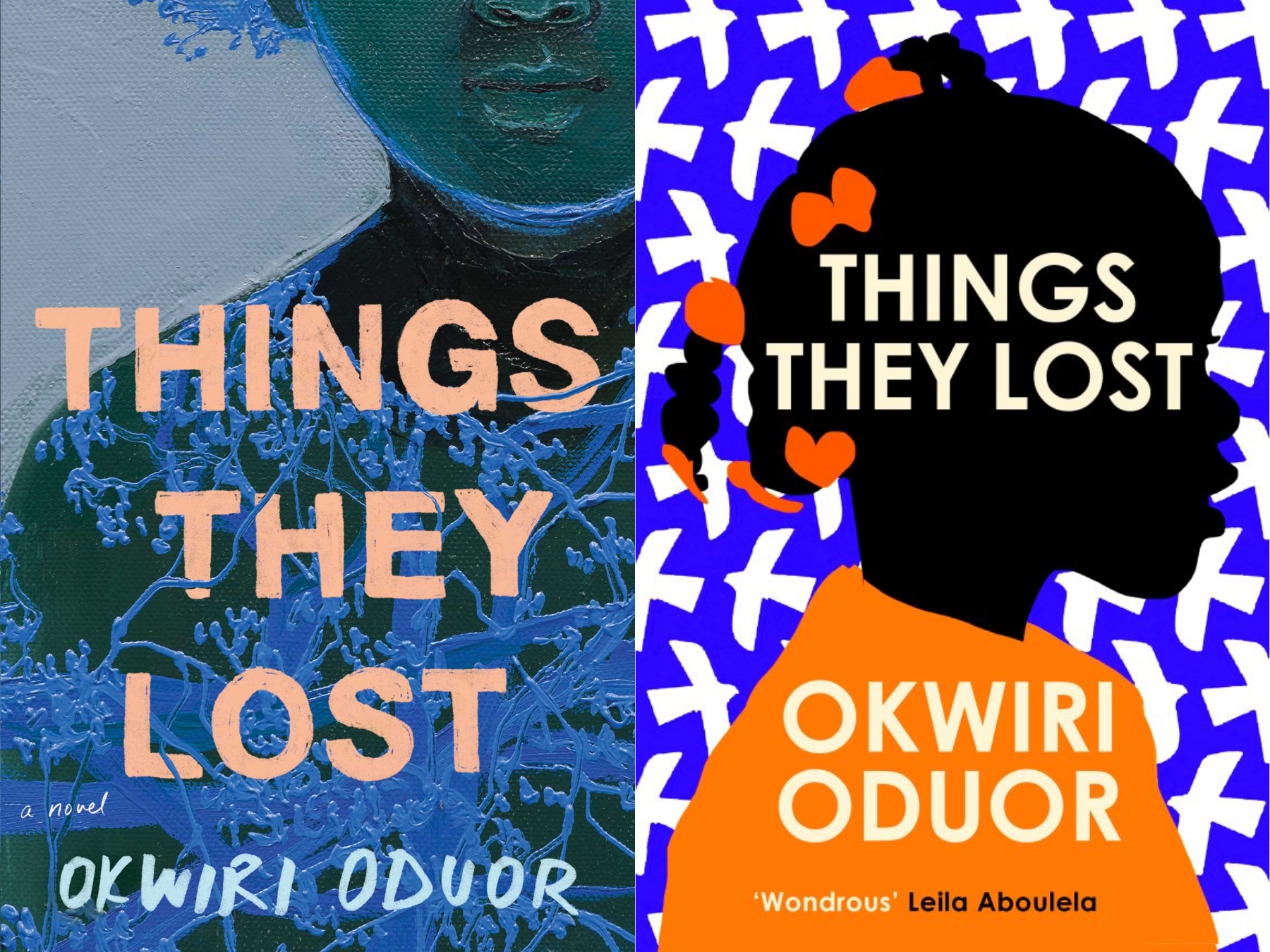
368 pages.
First published Apr 12, 2022.
Genre: Speculative Fiction/Africanjujuism.
In this stunning novel by Okwiri Oduor, birds laugh at people, sisters can be made, and a car can be drawn by a horse. The wind can be red, or blue. A woman runs a café that no one ever comes to. There are ghosts in the attic of a once-stately mansion that sometimes grieve, and make the walls shake. Wraiths kidnap people, and the milkman never speaks. And the girl at the centre of the book, Ayosa, yearns for the love of her mother.
Ayosa is the granddaughter of a British woman, Mabel Brown, the founder of Mapeli town, which is a corruption of her name: “Not so much a deformation as an emancipation,” as the book says. Mabel’s daughter, Lola Freedom, becomes a flying doctor, and an absent mother to twin girls, Nabumbo Promise, and Rosette. Nabumbo Promise is Ayosa’s mother, distant, deeply depressed, and always leaving.
Oduor’s prose soars. If you’ve read My Father’s Head, her 2014 Caine Prize-winning story, you will have had a taste of her mind-bending, fantastical, and magical realist style. In this, her debut novel, her style is freed to explore its farthest reaches, and her talent shines.
In her 2019 essay, Nnedi Okorafor defines africanjujuism as
“a subcategory of fantasy that respectfully acknowledges the seamless blend of true existing African spiritualities and cosmologies with the imaginative.”
Oduor’s book falls into this category, along with a blend of Christian and Muslim cosmologies. It also fits neatly into magical realism and fantasy, as the rules of the world Oduor has built do not align neatly with a modern, Western-centric worldview. In this world, even objects we would normally consider inanimate are conferred with life, agency, and yearning.
There is a wonderful cast of supporting characters. One of these, Jentrix, who lives on the Brown family land, is an apothecary, a midwife, and a traditional doctor. She is the closest thing to family that Ayosa has, apart from her mother. Ayosa makes a friend called Mbiu, an orphan, a “throwaway girl,” the owner of the horse-drawn car. Sindani, who also becomes Ayosa’s friend and protector, owns the café, Mutheu Must Go, named for a zebu cow. She has tried to get married ten times. The radioman is a character who interrupts the narrative with sometimes amusing death notices, and Ms. Temperance, a mysterious figure, reads her poems on the radio. The rest of the villagers function as something of a Greek chorus; watch for the repetitive text signalling their entry.
The main theme of the book is the relationship between mothers and daughters, mostly seen from the daughter’s perspective. It is about absent mothers, their cruelty, and the generational trauma that may have made them that way. It is about daughters, and what they do to hold onto themselves in the face of their own trauma, loneliness and abandonment. It is fully a novel about girlhood. It is also about being the outsider, and how a village does not always raise a child. The book also has strongly feministic elements: all of the main characters are women, and the relationships that are fully explored are those between girls, and between women.
I cannot recommend this book highly enough. I wish I’d given myself more time to read and savour it. Read it for Oduor’s breathtaking, astonishing style. Read also for a truly immersive and delightful story, that will leave your mind going over the ideas in it long after you close the pages of the book. And, when you’re done, find Jamaica Kincaid’s short story, Girl, and savour that with this.
Rated: 9/10.
This version of the review appeared in The Continent, Issue 85, May 21, 2022.
 Harare Review of Books
Leave a reply to Claire ‘Word by Word’ Cancel reply