
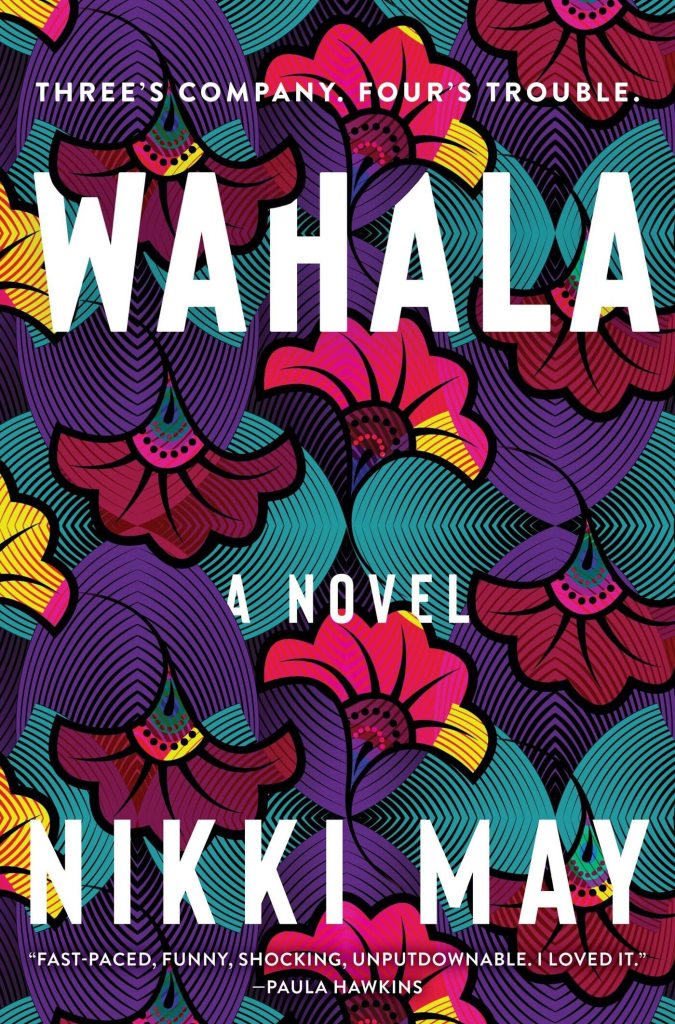
384 pages.
First published in Jan. 2022.
Finished reading on Jan 30, 2022.
Genre: Fiction.
A version of this review first appeared in The Continent.
Three Nigerian-British friends, Ronke, Boo, and Simi, are living their complicated lives when Isobel enters the scene. Simi, happily married to Martin, but keeping a secret from him, enjoys her job in fashion, although she is struggling to make her mark. Boo is unhappy with her life: a sweet husband, a precocious daughter, and part-time work in her STEM field. Ronke, a foodie dentist, is dating a Nigerian man that her friends don’t rate at all. She’s eager to make things more permanent with him, but remains unsure.
Isobel, an old friend of Simi’s, is rich, glamorous, intimidating, and domineering. She manoeuvres herself into the centre of the group, and into each of their lives, sowing chaos, bringing wahala (the Nigerian Pidgin word for trouble), and widening the fissures she finds. Is she a good and empowering friend, or are her motives evil?
I was rooting for Ronke and getting very exasperated with her friends, but you may prefer one of the other characters, who are all very well-written. There are laughs, relationship tension, and high drama.
There has been some criticism of the book’s seeming anti-Nigerian sentiment. It’s true that there appears to be a certain bias—the three friends are half-Nigerian, half-British, while Isobel is half-Nigerian and half-Russian—so “race” and culture are a large part of what this book is about, with the usual stereotypes playing out. However, it is not done in a ham-fisted way: there is enough nuance to make these points of discussion, rather than lightning rods for Diaspora wars—although, admittedly, this is the view of someone who is neither Nigerian nor British.
The description of Nigerian-British cultural life, from food to parties, means most readers will enjoy this book for the celebration that it is. Read also for the wahala the story is about, which will leave you shocked.
Rated: 9/10
 Harare Review of Books
Leave a comment