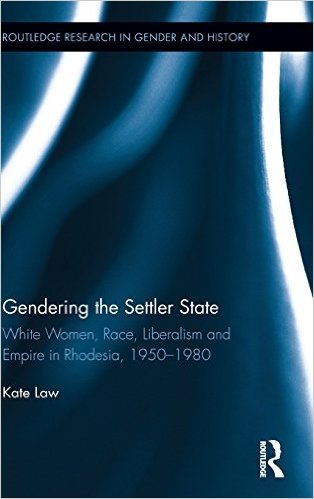
194 pages.
First published in 2015.
Finished reading on 24 May 2020.
Genre: Non-fiction.
White women cut an ambivalent figure in the transnational history of the British Empire. They tend to be remembered as malicious harridans personifying the worst excesses of colonialism, as vacuous fusspots, whose lives were punctuated by a series of frivolous pastimes, or as casualties of patriarchy, constrained by male actions and gendered ideologies. This book, which places itself amongst other “new imperial histories”, argues that the reality of the situation, is of course, much more intricate and complex. Focusing on post-war colonial Rhodesia, Gendering the Settler State provides a fine-grained analysis of the role(s) of white women in the colonial enterprise, arguing that they held ambiguous and inconsistent views on a variety of issues including liberalism, gender, race and colonialism.
I enjoyed this so much that I raved about it on Twitter. It was briefly free to read, and I’m very glad I had the opportunity to learn more about the role white women played in supporting the colonial state. Much of what I read tied together stories I heard from my mother and grandmother, and put those in context; so that was fun. It’s always wonderful to add to my extremely incomplete knowledge of Zim’s history.
Because of the way we are *not* taught this history, and maybe are incurious? and because Zim is such a small place – there were many shockingly familiar names in there.
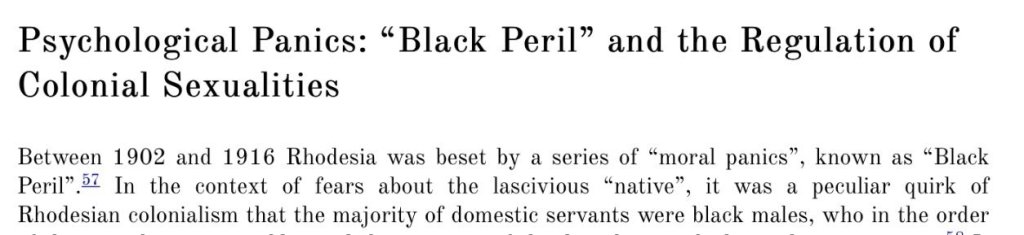
It was also interesting to read about these people 🥲:
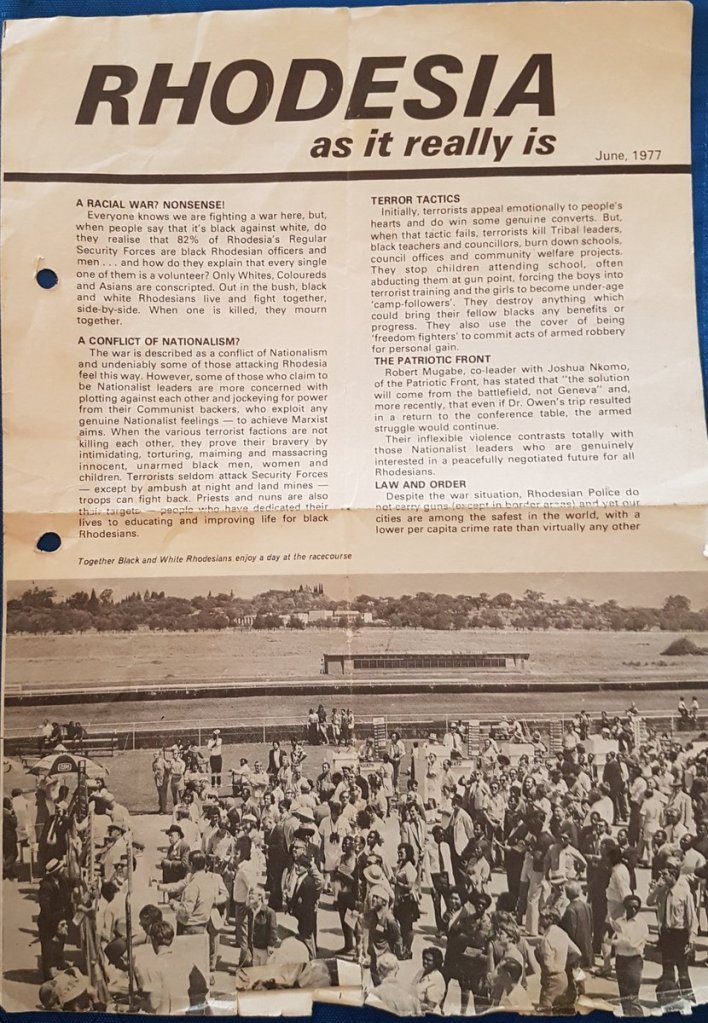
Place where I snorted (racism only pretends to be geographically differentiated):
How we (Zim) have always wanted to be a province of South Africa 🥲

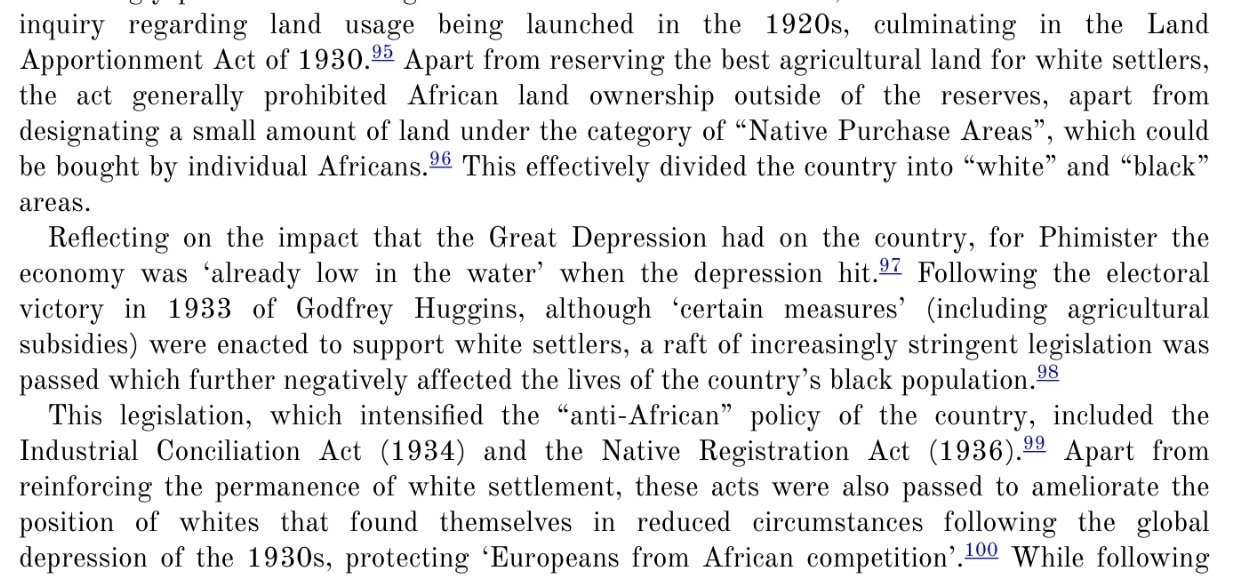
Depression-era Rh#desia really messed us up:
Yay, Homecraft! My grandmother has stories about this (and so does my mother, second-hand):

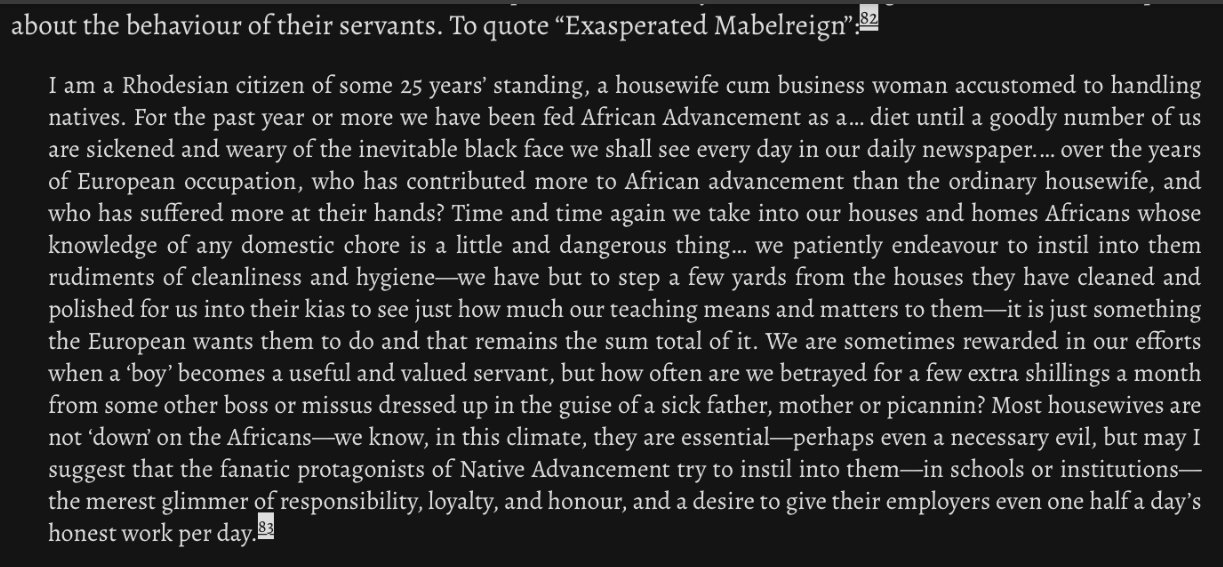
Got to love those Rh+desians!

(More snippets on Twitter.)
This was an excellent read. Highly recommended for everyone who’s interested in Zimbabwe, its predecessor, or black/white relations in general. A necessary read for younger Zimbabweans, too, who didn’t live through this, and were never taught about it.
Also recommend for how accessible it is for non-academic readers like me.
Rated: 10/10.
 Harare Review of Books
Leave a reply to My Top 20-ish reads of 2020 – shona reads Cancel reply