
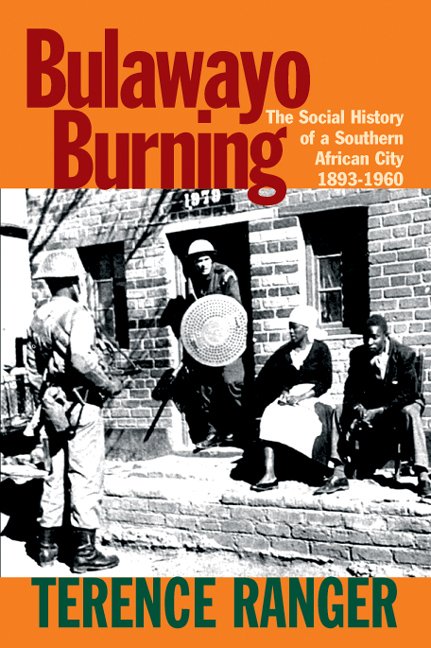
272 pages.
First published in 2010.
Finished reading on 11 Nov 2020.
Genre: Non-fiction.
This book is designed as a tribute and response to Yvonne Vera’s famous novel Butterfly Burning, which is set in the Bulawayo townships in 1946 and dedicated to the author. It is an attempt to explore what historical research and reconstruction can add to the literary imagination. Responding as it does to a novel, this history imitates some fictional modes. Two of its chapters are in effect ‘scenes’, dealing with brief periods of intense activity. Others are in effect biographies of ‘characters’. The book draws upon and quotes from a rich body of urban oral memory. In addition to this historical/literary interaction the book is a contribution to the historiography of southern African cities, bringing out the experiential and cultural dimensions, and combining black and white urban social history.
TERENCE RANGER was Emeritus Rhodes Professor of Race Relations, University of Oxford and author of many books including Writing Revolt, Are we not also Men? (1995), Voices from the Rocks (1999) and was co-editor of Violence and Memory (2000).
Full disclosure: I’m from Bulawayo! 😄 So of course I LOVED reading this book on the history of the city of my heart. The date range (1893-1960) was chosen for a specific reason, but the detail included wonderful facts that one probably only comes across by doing much archival research.
Mr Ranger wrote this as a response to Butterfly Burning by Yvonne Vera, a book I had read and enjoyed before (there must be a story there!), so it helps to read the two as companion books. While Butterfly Burning is fiction, this is the non-fiction that explains and confirms what life in Bulawayo would have been like for Ms Vera’s characters.
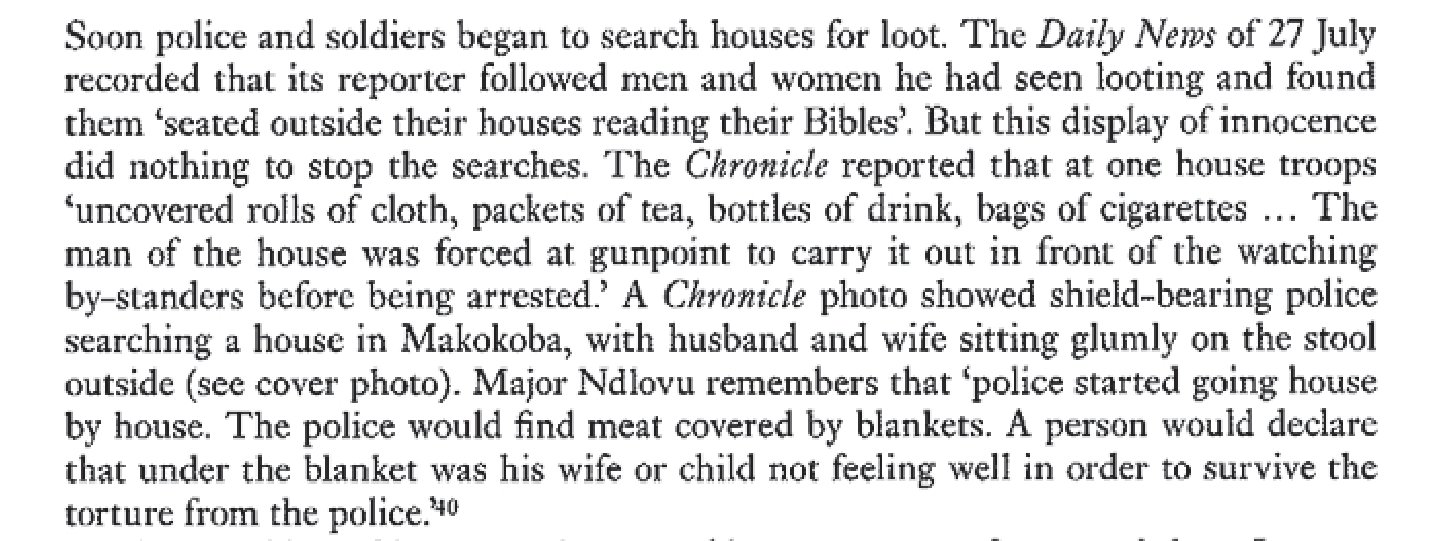
I was particularly interested in the parts that corroborated stories I heard growing up, told by my mother and grandmother. One particular historical event that I have never heard about except through oral history was the Zhii riots demonstrations of 1960. Some snippets from the book:
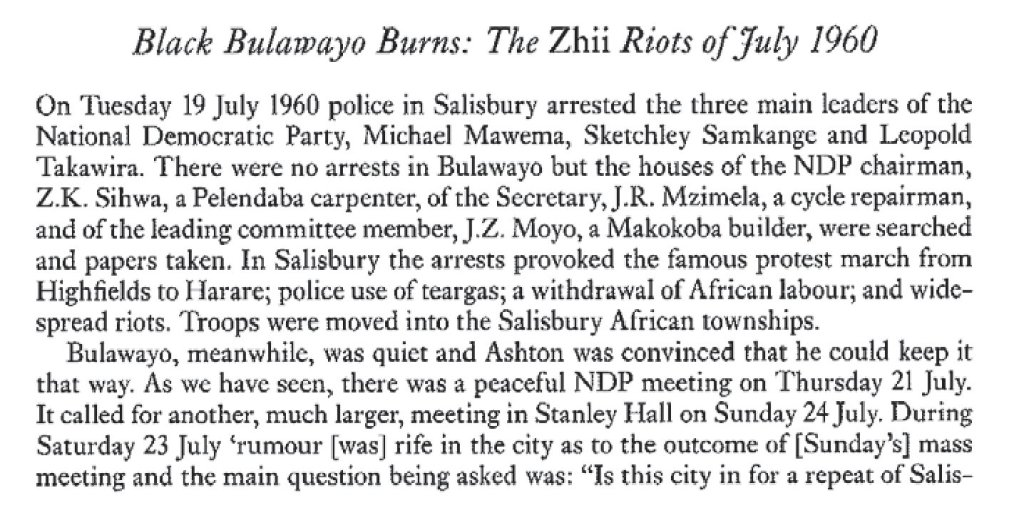
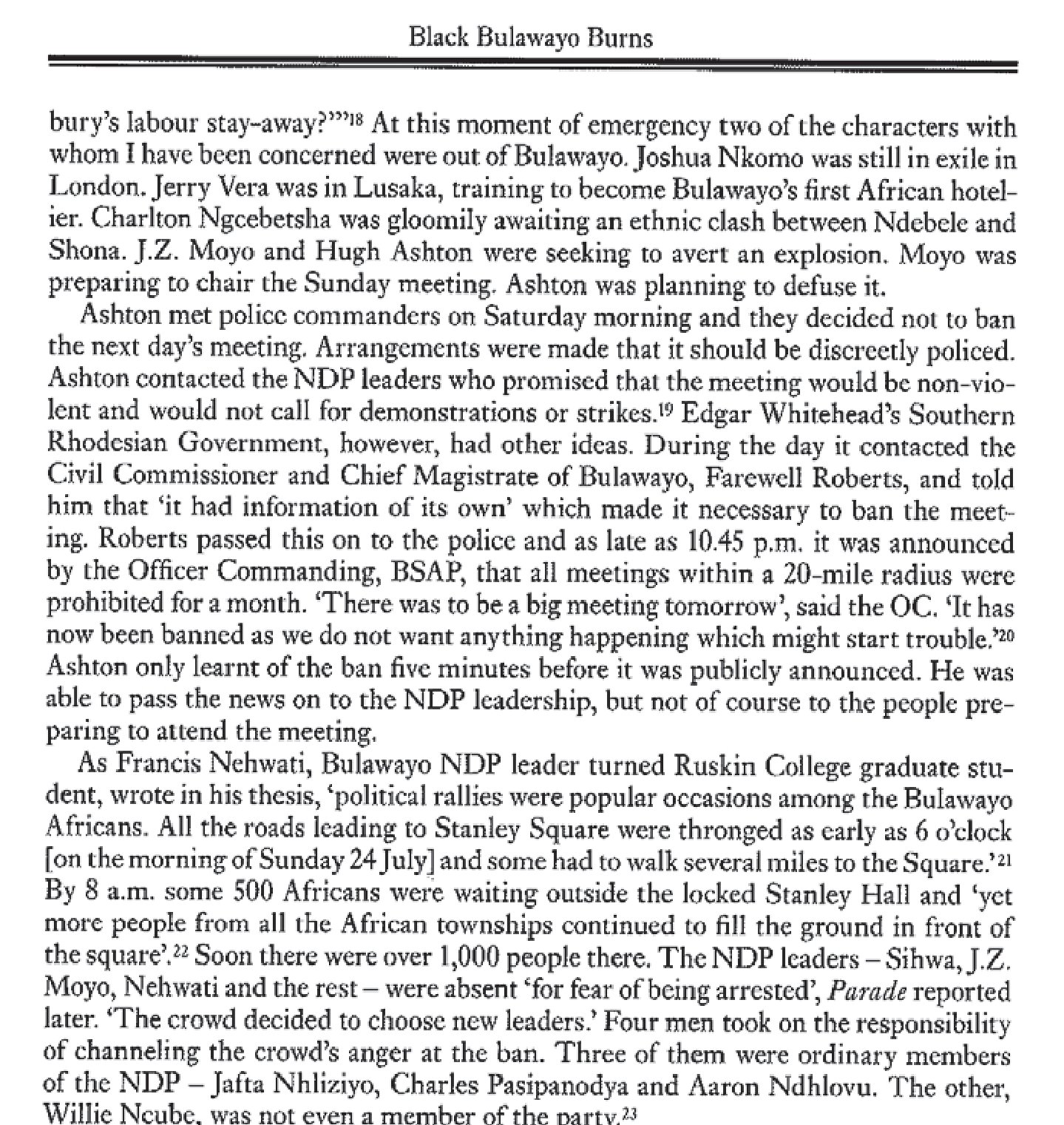
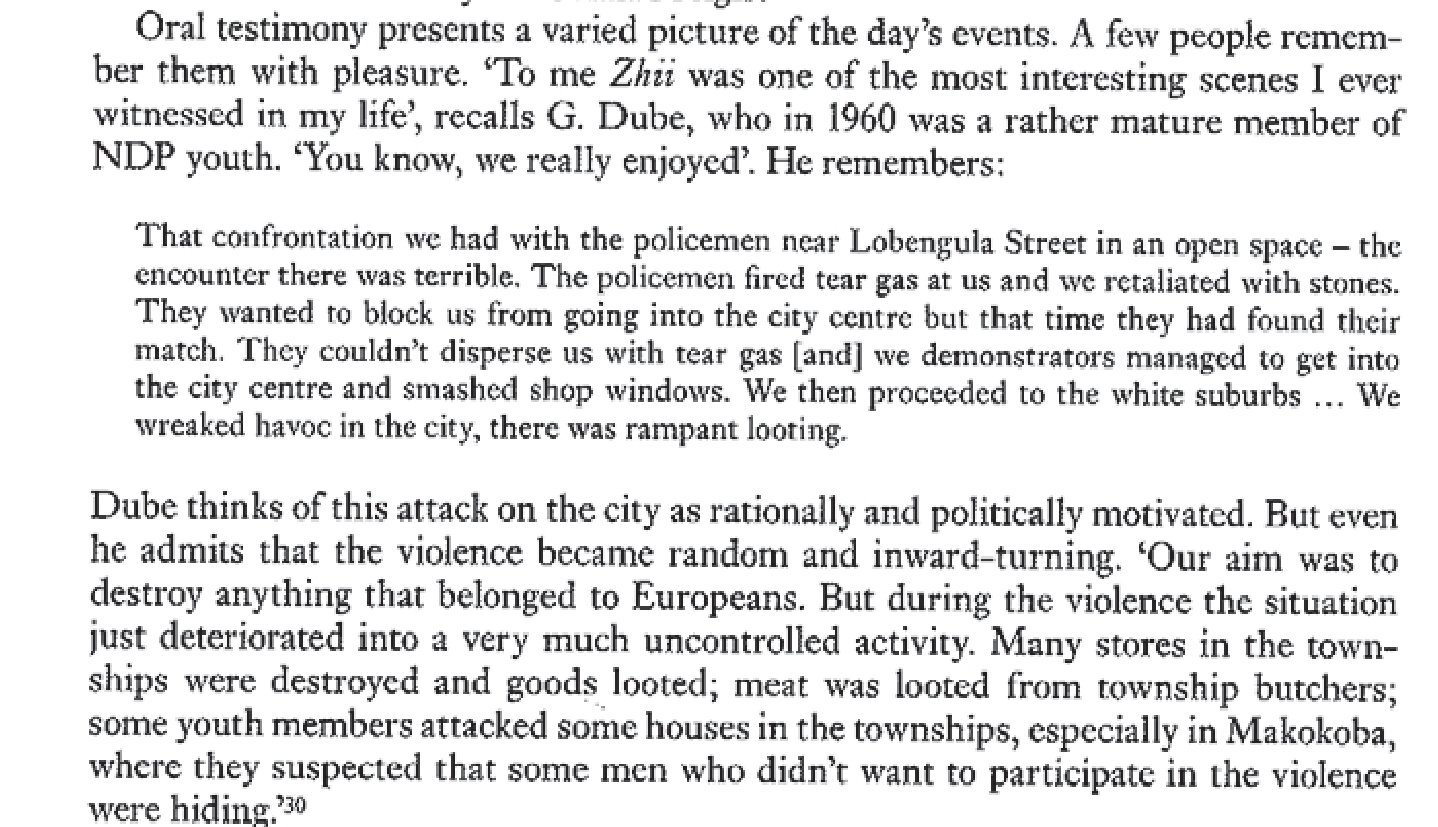



The rest of my ravings about the book and its significance to me personally on Twitter here.
I believe you can buy this book in Zimbabwe from Weaver Press (Facebook), but it is also available as an e-book from Amazon.
Small plug: if you’re in Zimbabwe, please support Weaver Press and other independent bookstores/publishers.
Rated: 9/10 (there were long stretches about labour things that made my eyes glaze over, and that’s why it’s not 10 😂)
 Harare Review of Books
Leave a reply to My Top 20-ish reads of 2020 – shona reads Cancel reply