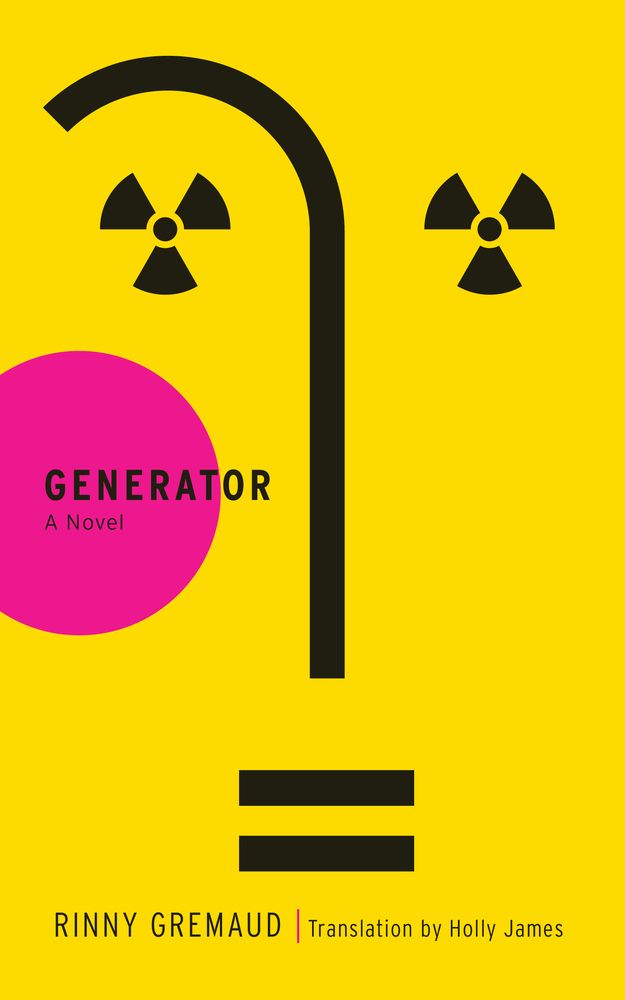
96 pp. January 7, 2026, Schaffner Press. Fiction.
In this novel, a woman with the same name as the author goes on an emotional search for traces of her father. She knows this about him: he is–or was–American; he met her mother at their workplace where he was a nuclear engineer; and he made the choice to not be in their lives.
It’s a tender and in many ways excruciating account. She’s not looking for her father so much as she’s seeking meaning: attempting to find out who he might have been from the worlds he inhabited, trying to work out why he left.
She places her quest of her father side-by-side with an account of the development of nuclear power, in South Korea and around the world, and she visits both power stations and places where he was or might have been, including his home town in Wales. There are echoes of her father everywhere she goes.
The quest is in many ways the point. It doesn’t matter whether she finds him in the end: there’s some closure in learning about him through what he did. For readers, this book also serves as a meditation on the impact of nuclear power on our world.
Already one of my favourite reads of 2026, and a great start to the year.
Thanks to Lauren Cerand and Schaffner Press for the review copy!
Affiliate link: Support independent bookshops and my writing by ordering it from Bookshop here.
A version of this review appeared in The Sunday Long Read.
 Harare Review of Books
Leave a comment