
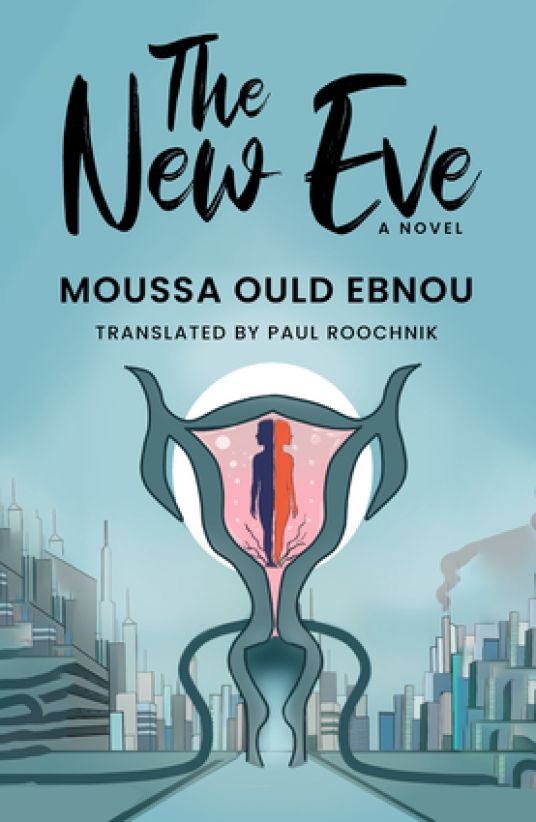
180 pp. October 23, 2025, Iskanchi Press. SF.
This book was … really not the most enjoyable experience. It’s an exposition disguised as a speculative novel, and holds forth at judgey length on relations between the sexes in a future where humans have chosen to live in separate, binary societies—that of women, that of men—with homosexual relations except for a time of “service” when the sexes mix. Reproduction happens using artificial wombs. It’s, as you can imagine, a very regulated world, but apparently there’s a social contract and we are to imagine almost everyone is happy (or conditioned to be so).
Except, of course, people fall in love across the sexes, as humans do. That’s really the only interesting part of the book for me: what to do with such feelings in such a world. The resolution surprised me a whole lot, given the general tenor of the exposition (tending towards religious conservatism and such a binary view of the world)… The author clearly had that ending in mind all along, but it’s unexpected and nothing sets the reader up for it. So that’s unsatisfying.
I don’t know what else to say. There are not a lot of things I found redeeming—not the characters, not the (very unsatisfactory and incomplete) world-building, not the lengthy and frankly quite tiresome philosophising, not even the concept of resistance in that society. I did like Moussa Ould Ebnou’s Barzakh: The Land In-Between (tr. Marybeth Timmermann) for its speculative elements, so I had decent hopes for this one. I can see what the author may have been trying to do here, but no, I think it’s a no from me. I may give it another read in the future to see if I change my mind.
Many thanks to Iskanchi and NetGalley for the DRC.
 Harare Review of Books
Leave a comment