
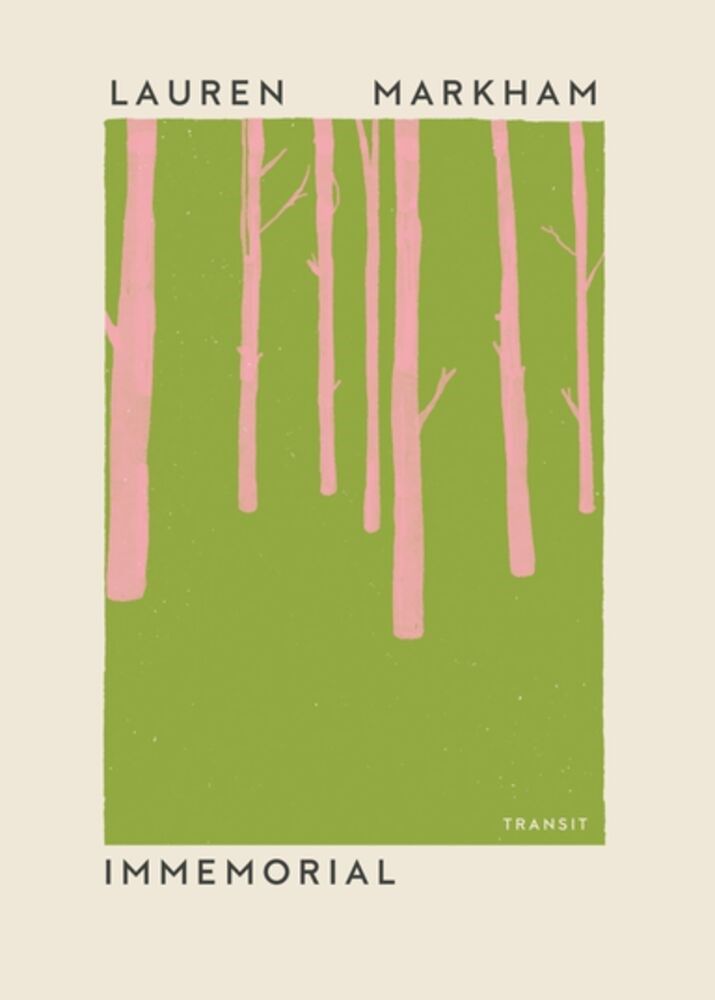
136 pp. Published February 4, 2025 by Transit Books. Non-fiction.
Memory, that famously slippery thing, doesn’t ever seem to work the way we think it does. Now we know that the brain files and refiles memories, rewriting them and updating them as it revisits them. And because we don’t perceive things the same way—ask any two witnesses to the same event what they saw; also look up all of the different studies about individual differences in perception—we can’t always agree about which aspects of an event matter, let alone how to remember it.
Lauren Markham ponders memory in this slim read: all of the ways we preserve what’s been, but particularly historical moments about which (it feels to us) the trajectory of humanity has turned. In this category, she feels, is climate change. She thinks through memorials we’ve made—so many to remember wars and war heroes; and then, closer to her theme, Maya Lin’s Ghost Forest. This is Markham’s question: How, then, do we create a memorial to all we have lost and are losing now, as our world burns, and drowns?
Being a writer, Markham turns to words as memorials, and so to the Bureau of Linguistical Reality, which defines itself as a “public participatory artwork” specialising in neologisms for things old or current language has trouble expressing—particularly with respect to “Anthropogenic events”. Immemorial, then, is Markham’s journey through language and climate grief towards a kind of semantic grave marker, considering along the way real-world, concrete memorials and their place in human culture.
This is a thoughtful read in a time of catastrophe, important for those who grapple with language and meaning—that is, all writers. Recommended.
Thank you to Edelweiss and Transit Books for an early DRC.
Affiliate link: Support independent bookshops and my writing by ordering it from Bookshop here.
 Harare Review of Books
Leave a comment