
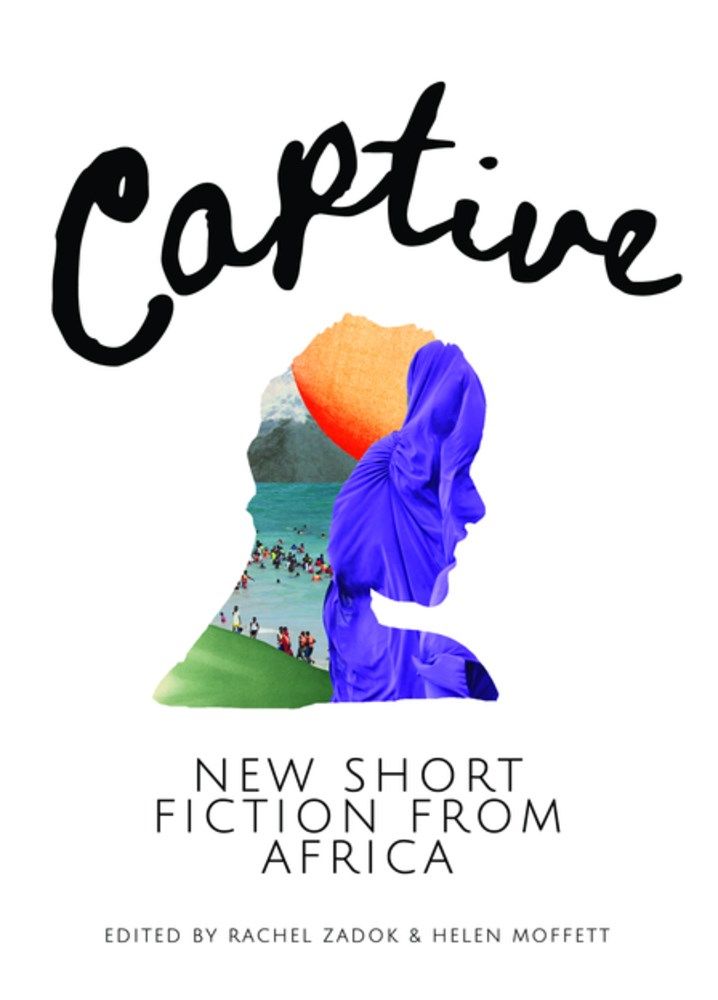
453 pages. Published May 7, 2024 by Catalyst Press. Fiction anthology.
In this new collection of short African fiction, people seek, find, and lose love; lovers cheat; fathers reconcile with their daughters; revolutions, both personal and national, happen; mothers alienate their sons. The stories are gathered into three sections: Claustrophobia and Inescapable Obsessions; Metamorphosis, Cycles and Identity Vanishing; and Self-Awareness, Illusion, Delusion and Deception.
Salma Yusuf’s If The Honey Is Sweet, Why Does The Bee Sting? presents a very strong start to the collection, and is one of its best stories. The protagonist’s husband—“the man for whom I constantly clipped my wings”—away in Dubai, has phoned to tell her he’s taking a second wife. She’s pondering this, struggling over it: “…fighting to hold together what my Habuba and Mama Saada had prepared me for since I was eight… My whole life I had studied men like chemistry and geometry; but you cannot keep what does not want to be kept.”
In Emily Pensulo’s In Madam’s House, a domestic worker inhabits her employer’s life (and clothes) for a day to impress her cruel family back home in the informal settlement; but what she finds back there is not the sweet taste of victory, nor is it the redemption she seeks. Doreen Anyango explores the slow death of a marriage without children, after a miscarriage, with the suspicion of cheating, and shows us a terrible breaking point—although she opens for readers a small window of possibility that the couple will survive.
Khumbo Mhone’s The Third Commandment is intriguing for its dystopian setting: there’s a quota for daughters born in any district, and Upile has just given birth to one, naming her Joy. In control, the Sons of the Nation “approve” Joy “for existence,” but when Upile bears a second daughter, she makes, in her terror, a decision with decades-long repercussions. What does female resistance look like with such constraints, in a society that hates their very existence? Mhone asks readers. What might a mother be forced to choose? Moso Sematlane also explores dystopia in The Day The City Wept, but on the theme of love and feelings. This society has been taken over by Sentients, “big machines that look like spiders.” There are Programs that train humans not to feel (or perhaps not to express their feelings), and the protagonist is living under the radar. But his partner, Napo, is in the resistance, which is planning a mass event on live TV to trigger emotion in those watching, and Napo wants him to participate. Will the protagonist choose revolution, or to continue living a limited life?
In N. A. Dawn’s Girl’s Best Friend, which had me in tears, a girl learns that she’s her own defender, and makes a brutal and searing justice. Josephine Sokan’s Good Things Come is a striking and achingly tender story about how one woman with a “developmental problem” makes the love she seeks and needs, if only in her head. The brilliant Heaven’s Mouth by Zanta Nkumane explores leaving home, and the changes that are wrought in us when we do—how when you leave, you can never really move back.
There’s much, much more, including Kabubu Mutua’s strangely fun story of the runaway bride who’s a serial killer; Sola Njoku’s reinterpretation of The Picture of Dorian Grey in Grey; Zanta Nkumane’s Mvelicanti’s Gift, about a two-legged son born into a superstitious one-legged world; Aba Asibon on an Akua’ba, and what happens when a new bride fails to do what she’s been instructed to do—a story about societal and family expectations; and Josephine Sokan’s Elédè Kekere’s intriguing and memorable story about a woman who is cruel and abusive to those below her, but who is in turn enslaved by her own passions and by an abuser.
These examples show you how much creativity is exhibited in these stories. It’s a very dense collection—it took me months to read— and is one that readers can linger over. Although uneven, it’s a great snapshot of the raw talent in the upcoming generation of African writers, and is well worth your time.
Thanks to Catalyst Press and Edelweiss for early access to a DRC.
Affiliate link: Support independent bookshops and my writing by ordering it from Bookshop here.
 Harare Review of Books
Leave a comment