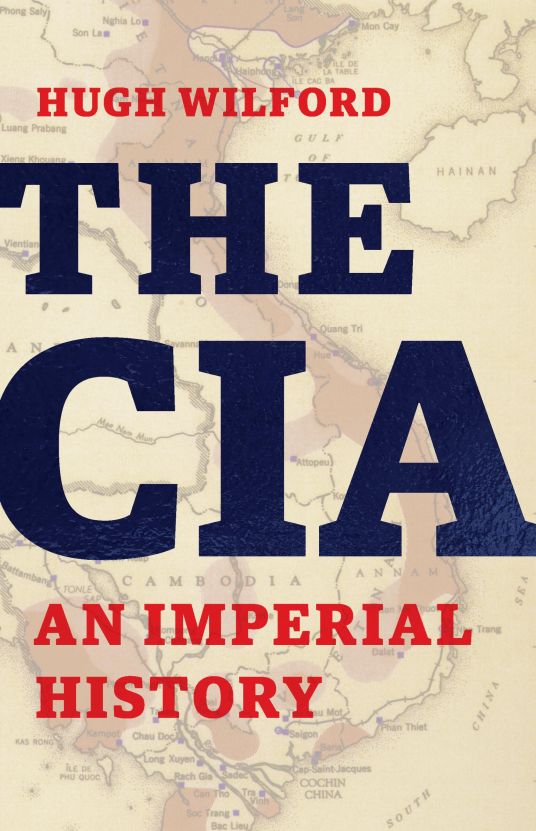
384 pages. Published June 4 2024 by Basic Books. Non-fiction.
The CIA, the US’s storied intelligence agency, is known to most of us through breathless, we’re-saving-the-world fictional portrayals which contrast with real-life ugliness (Gitmo, various regime change plots, possible and attempted assassinations). I picked up this book to learn a bit more about it, to see if I could separate fact from myth, and because I’ve become much more curious about the CIA’s direct and deliberate role in shaping culture around the world in the 1960s (-1980s). Well, this wasn’t really the book for that: that part, barely a section, is a very slim one somewhere in the middle.
What this is is really a bio of the great founding men of the CIA, an explanation of the mythos that drove them (mainly Rudolph Kipling’s adventurism in imperialism), and a review of the agency’s role as it gradually shifted from intelligence-gathering to covert actions—very much driven by US presidents, and much accelerated post 9/11. The CIA is very heavy on these personalities, how it was their personal beliefs that created the agency’s culture, with juicy stories about them and how they made their way in the world. And it makes that the whole story of the CIA, more or less, even as it describes the agency’s role as the US took its place post-WWII as the new secret imperialist while Britain and France withdrew: the US—either unwillingly or unwittingly—fit itself into the holes left behind by these old-world imperialists, and the CIA played a large part in that. It’s a compelling argument, and one that Wilford makes well.
But, like I say, this is a book about a particular class of US men, and if that’s the story of the CIA, this feels very narrow to me, positioned as I am outside of the country and culture. While an interesting read for what it is, it’s not relevant to my questions about the CIA (as outlined above). That’s only my view; this book will obviously make great reading for those who are keen to learn more about these men.
Thank you to Basic Books and NetGalley for early access to a DRC.
Affiliate link: Support independent bookshops and my writing by ordering it from Bookshop here.
 Harare Review of Books
Leave a comment