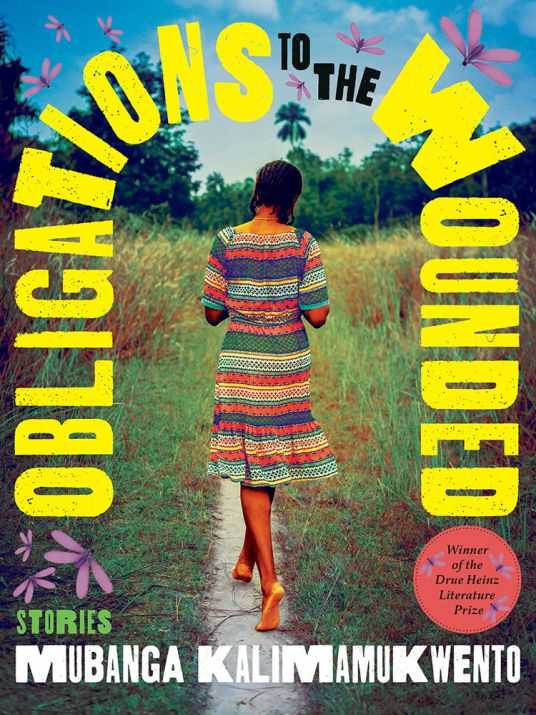
168 pages. Published October 8, 2024 by University of Pittsburgh Press. Fiction anthology.
I love to tell my sister she’s part-Zambian; but she recently huffily retorted that “Zambian” is not an ethnicity—which, you know, cutting, but true. There are many connections between Zambia and Zimbabwe, not just Mosi-oa-Tunya (or the Falls named after some random British queen by British explorers); so many, in fact, that this collection read like home to me.
I must start with the last story, because the rhyme in Where is Jane? is one we used to chant as children in Bulawayo, where I grew up. It’s a spooky rhyme about a woman who haunted people who moved around at night, particularly those who went past the cemetery. (I’m pretty sure she was in newspapers here a few times, too.) Kalimamukwento uses the rhyme as the basis of a story about the terrible assault of a young girl. I felt it incredibly deeply: the innocence of the childish rhyme, against the horror of the protagonist’s loss of innocence.
Azubah, the collection’s opening story, is about Black tax and an emigrant woman’s memories of her difficult relationship with her mother, who’s now dying. In Inswa, two rural girls explore their sexuality together amidst the expectations and demands of their society that they will fall into chosen roles. A Doctor, A Lawyer, An Engineer, or a Shame to the Family is also about expectations, this time parental, and the disappointment that parents experience when their children turn out not to be mouldable clay. It’s in the form of a letter from an aunt to a new child, spilling all the family secrets. Reflections tells the story of a child just learning they don’t want to present as a girl after all. They have their father’s support, but not their mother’s—because the mother’s identity is tied up in the child’s.
The protagonist of “Do Not Hate Me” has what Western medicine would call multiple personality disorder—but the common African understanding of it is, of course, possession. Mastitis is about the grief and rudderlessness of a new mother who’s just lost her own mother; in the most delightful way, her mother finds her way back to help her. Many Africans will relate to Am-e-ri-ca—the dreaded visa interview; but this is told from the perspective of a young child at the embassy with her mother. And It Will Be Beautiful Again is the tender and heartbreaking story of a mother dying of AIDS.
These stories are about the wounded, about making their stories known and voices heard. The child exploring their gender identity is initially punished by their mother, and treated brutally; but later, there’s redemption—which doesn’t happen for every character. Girls aren’t given the opportunity to grow into themselves before they’re forced into society’s roles. One young girl, a victim of her mother’s poverty, is sexually abused. People yearn to move overseas to improve their prospects, but the process is hard, or life there not quite what they hoped. Mother tongues—symbols of rootedness, and signifiers of identity—and indigenous names are lost, given up, in favour of the coloniser’s language, so as to assimilate.
There’s terrible pain, but also—so importantly—humour, dignity, and defiance in these stories. Kalimamukwento is supremely creative in choosing her points of view; many of these characters are children or teenagers, which makes for unexpected angles. In this collection, the subjects and themes are as surprising and rainbow-hued as life is. Highly recommended.
Very many thanks to University of Pittsburgh Press and NetGalley for an early copy.
Affiliate link: Support independent bookshops and my writing by ordering it from Bookshop here.
 Harare Review of Books
Leave a comment