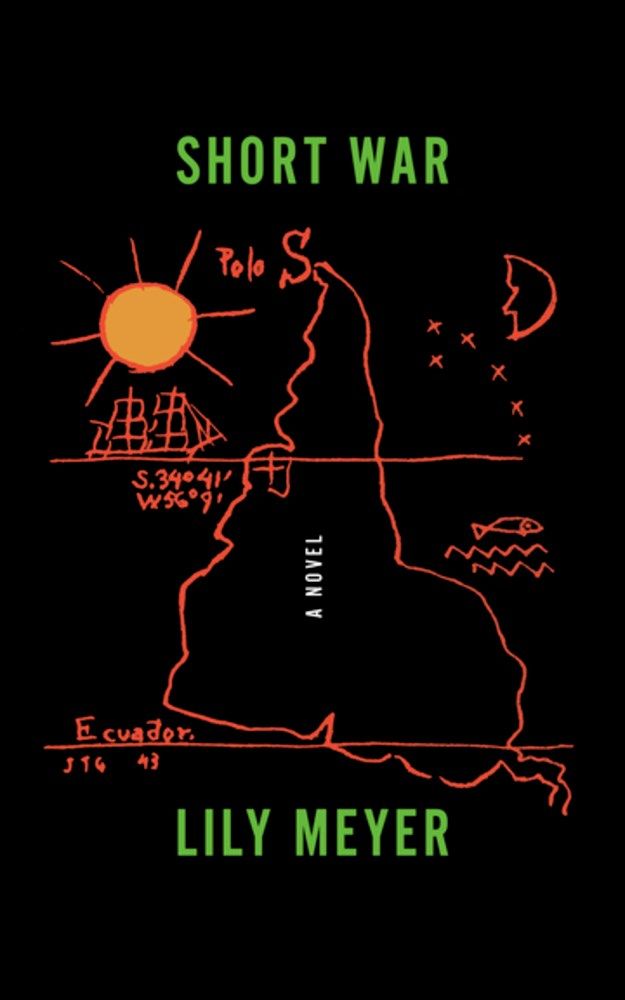
270 pages. Published April 9, 2024 by A Strange Object. Fiction.
I enjoyed the first half of this book—from the perspective of an American teen, Gabriel, in Santiago, Chile—much more than I enjoyed the second, from the perspective of his daughter, Nina. Short War explores the period around the eve of the overthrow of Allende, and then the fallout from that in the lives of a small group of people in the decades after. Gabriel, the expat teen, is the son of a self-assured American journalist who is a CIA asset in Santiago at that time. Gabriel is left-leaning, partly because of his local friends. His family makes it out of Chile when the coup happens, but he leaves his high school girlfriend, Caro, behind, and she is caught up in the terror and turmoil that ensues. Decades later, Gabriel’s daughter Nina, unearths the secret and finds out what happened to Caro.
The first half of the novel is an engaging read, a coming-of-age tale as the teens grapple with the build-up to the world-shattering events that are about to happen, even as they deal with love, parties, and high school life. Meyer does a splendid job here, immersing the reader into the characters’ lives; and what subsequently happens to Gabriel, hapless, bewildered teenager that he is, is truly wrenching. So, too, is the slow unroll of Caro’s fate, as Nina starts to uncover it for us. What I found less engaging was the switch in perspective to Nina; it didn’t work for me at all, nor did I come to care about her life. And then, the coda at the end: although Short War strives to bring closure for the reader, I was disappointed. I didn’t really need to meet that third character, or to understand their motivations.
So, a mixed reading experience, but one that I’m glad I had. It sent me down a rabbit hole to find out about that momentous time in Chile (which, serendipitously, led me to finally watching this: a chat between Mariana Enriquez, Ariel Dorfman, and Idra Novey, that references this time). What Short War has done for me is to bring that history to life, for which I’m grateful.
Many thanks to A Strange Object and to Edelweiss for early access to a DRC.
 Harare Review of Books
Leave a comment