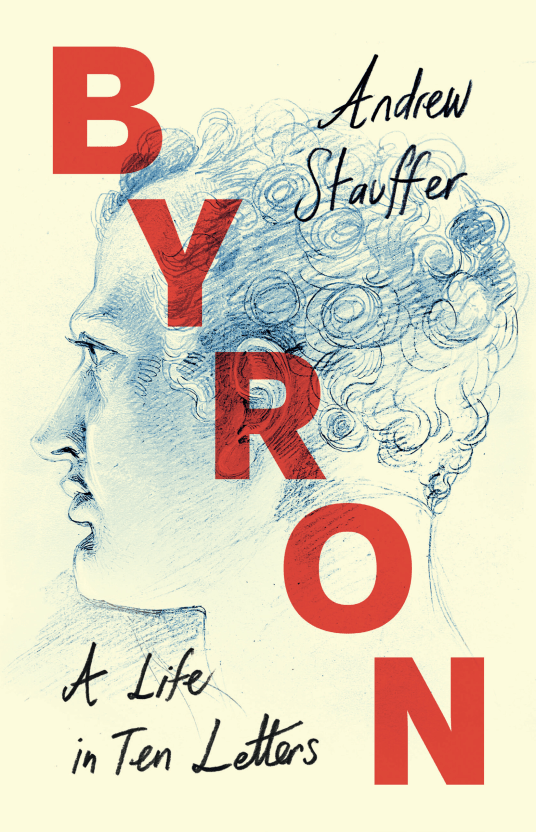
300 pages.
First published February 22, 2024 (Cambridge University Press).
Non-fiction.
Byron wasn’t my bestie in high school; Shelley was. (Still a fan, all of these years later.) But I remembered just enough to be quite curious about his life; all of the feels of high school English class and the prospect of reliving some of it are what made me request this DRC. All of which to say, I came to it not as most other readers will: I barely remember Byron’s work, never studied him, and really didn’t know much about his life except for the barest glimmerings.
Well! Arriving halfway through the book, I put it down because I was so exasperated with what an entitled predator Byron was. I read other things. Happily, when I picked it up again, he was writing Lady Byron to beg her to come back; and who doesn’t love to see a woman crush her abuser by refusing to return? Things got so much better from there, because I no longer had to wonder why English culture reveres him; it was settled in my mind that Byron was a complicated human, as we all are, and clearly had some undiagnosed stuff… And from there I could treat him like some regular old dead artist with a fascinating biography.
Because Byron was nothing if not interesting; his weird childhood and very weird mother; his life as a rather poor and then later apparently really rich Lord; his escapades at school and at college (which he could drop out of and still graduate, because of course he could); his misadventures in Society, and then becoming a pariah (good!) and exile; the endless travel—Greece, Italy, Greece again (I rather wish he’d made it to South America); his friendships and yes, his doomed marriage, and—ugh—yes, all of the sexual things. A truly fascinating character who lived an incredible life.
So. I do understand the reverence. Lord Byron gave us the most romantic (and actually completely dysfunctional) Byronic figure of literature. He was also, by all accounts, a fairly nasty and narcissistic human being (particularly early on in his life)—while also managing, in the end, to do a lot of good in the world. Stauffer’s excellent book excavates his life and character through ten letters he wrote, by relating and explaining Byron’s circumstances at the time of writing, and trying to guess at his thoughts and motivations. It’s a very well done character study, the evidence of what must be very long hours of work in archives and a resulting intimate knowledge of Byron’s life. And because Byron was so interesting, Stauffer’s book cannot help but be the same. (Even if it’s still entirely possible that what sealed the deal for me was all of the notes on and goss about Byron, Shelley and Mary together.)
A fascinating read, and well worth the many hours I spent on it. Highly recommended, even if you are only a marginal Byron fan. Many thanks to Cambridge University Press and to NetGalley for access to an early digital review copy.
Support independent bookshops and my writing by ordering it from Bookshop here.
 Harare Review of Books
Leave a comment