
128 pages.
First published Jan 9, 2024 (FSG Originals)
Fiction/SF.
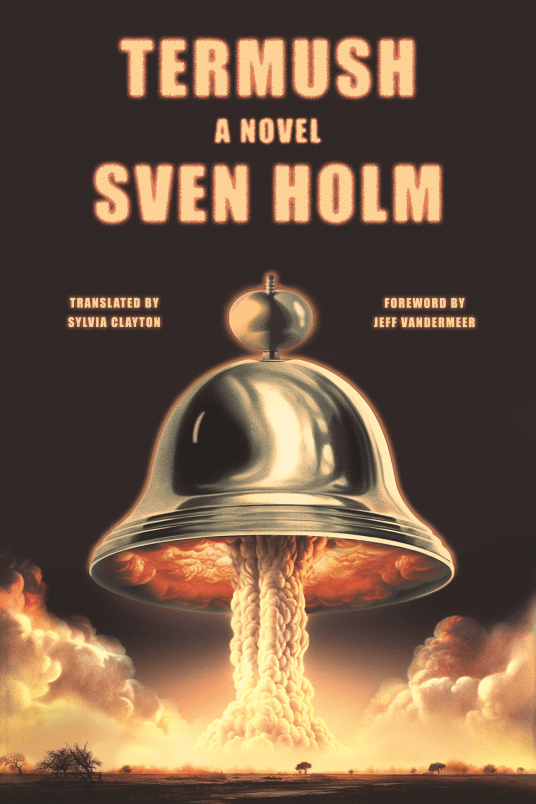
I’m not sure what drew me to this little book. The mid-century sci-fi cover, maybe? Or that it’s a rediscovered Scandi classic? Possibly—probably—it’s the fact that it reads like a pandemic novel, and the pandemic is still so recent in memory. Anyway, what’s made this group of people withdraw into isolation in a coastal hotel is not plague or disease, but a(n implied nuclear) disaster.
What the novel tackles is not really the disaster, but the moral implications of being a survivor with money, one who can make plans to retreat into a bunker (see tech billionaires, New Zealand). What happens when the horde is at the gates, seeking help? What are the dynamics between those who may feel compassion, and those who will not?
What my mind went to almost immediately was that this was like a Zombie narrative, and the implications of that Western societal obsession: Could the horde at the gates be the undifferentiated mass of the Other? The horror of migrants at the border, perhaps? That made the philosophical exploration at the centre of Termush much more interesting to me, even if the narrative got pretty bland. In some ways, then, this novel shows its age, but is a deserved classic in its treatment of timeless issues.
Thanks to Farrar, Straus and Giroux/FSG Originals and to NetGalley for access.
 Harare Review of Books
Leave a comment