
513 pages.
First published in 2019.
Finished reading on 12 May 2020.
Genre: Non-fiction.
Blurb: A pathbreaking history of the United States’ overseas possessions and the true meaning of its empire
We are familiar with maps that outline all fifty states. And we are also familiar with the idea that the United States is an “empire,” exercising power around the world. But what about the actual territories–the islands, atolls, and archipelagos–this country has governed and inhabited?
In How to Hide an Empire, Daniel Immerwahr tells the fascinating story of the United States outside the United States. In crackling, fast-paced prose, he reveals forgotten episodes that cast American history in a new light. We travel to the Guano Islands, where prospectors collected one of the nineteenth century’s most valuable commodities, and the Philippines, site of the most destructive event on U.S. soil. In Puerto Rico, Immerwahr shows how U.S. doctors conducted grisly experiments they would never have conducted on the mainland and charts the emergence of independence fighters who would shoot up the U.S. Congress.
In the years after World War II, Immerwahr notes, the United States moved away from colonialism. Instead, it put innovations in electronics, transportation, and culture to use, devising a new sort of influence that did not require the control of space. Rich with absorbing vignettes, full of surprises, and driven by an original conception of what empire and globalization mean today, How to Hide an Empire is a major and compulsively readable work of history.
One of the most memorable books I have ever read. I think, like everyone else, I was force-fed US propaganda from the time I came out of the womb; so, this was a good antidote. It is a balanced book about both the good (some) and the harm (much) the US has brought to the world.
If you’re interested in what I tweeted as I read, you’ll find that here.
Some things I found interesting follow. Please forgive the shots, which are of my Kindle screen 😬
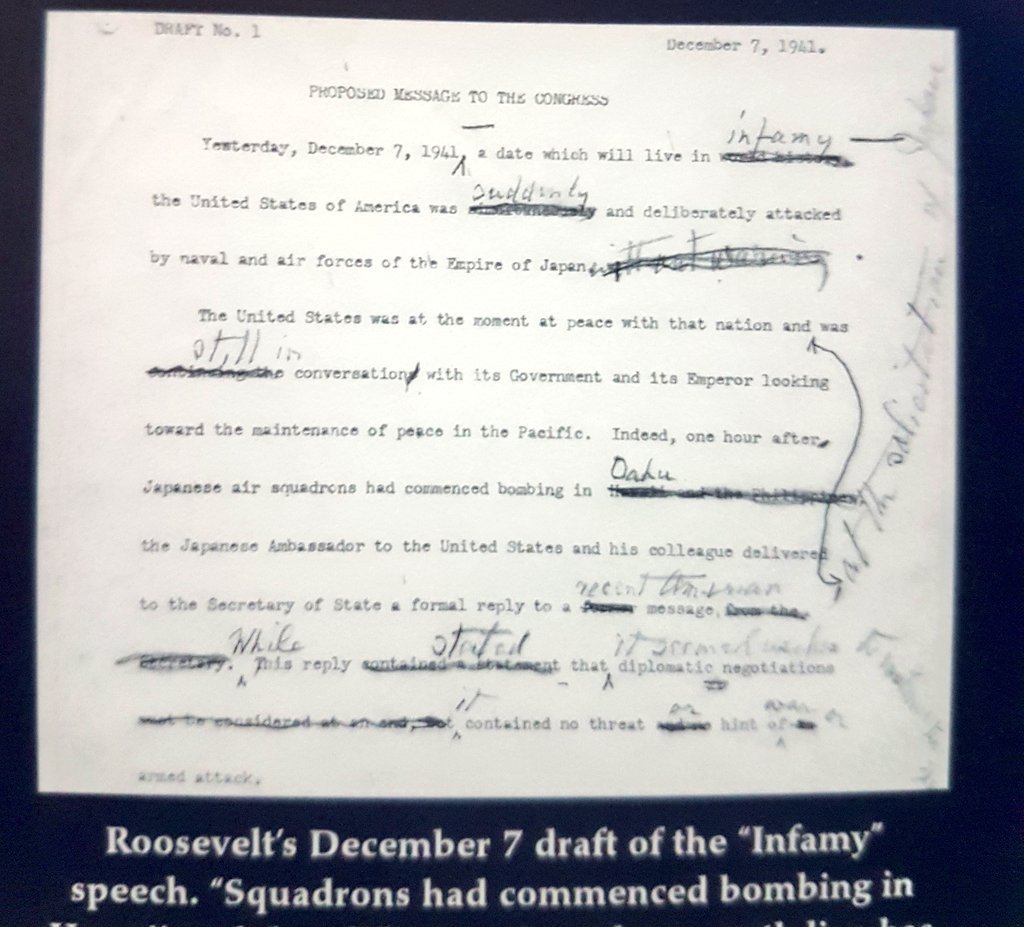
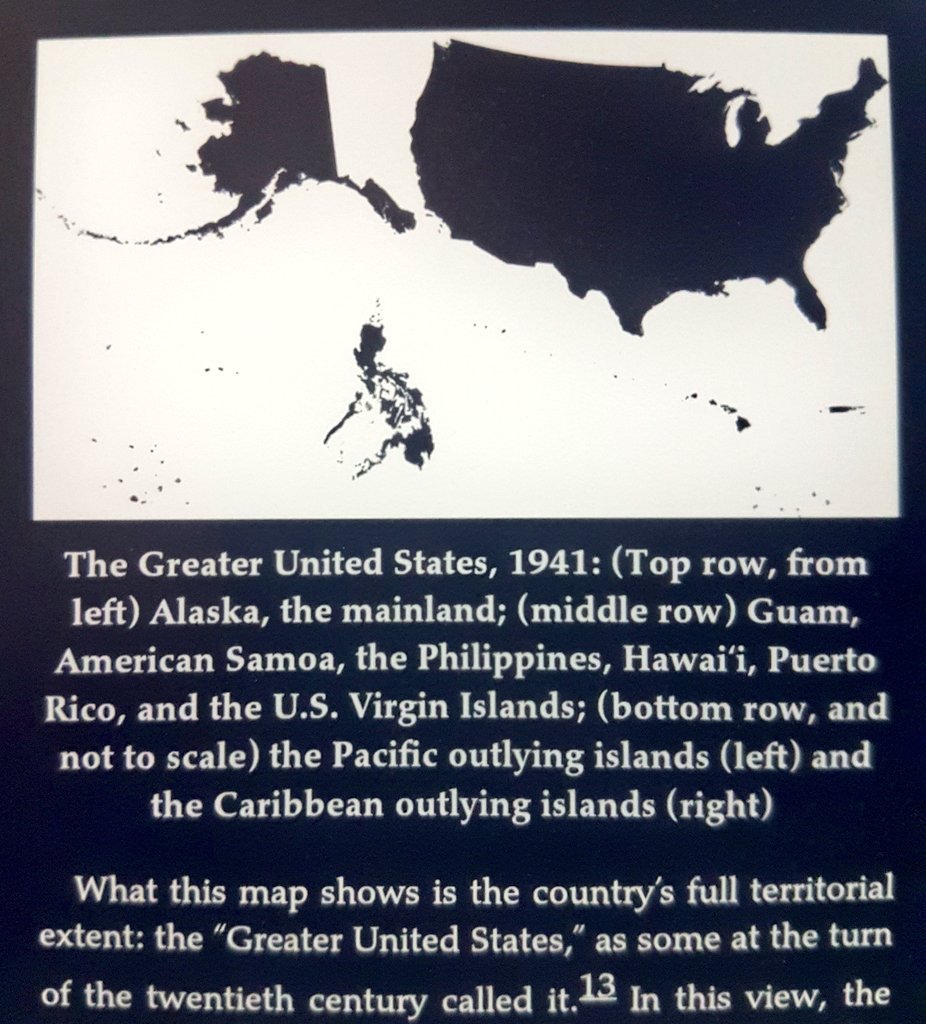
Some of the thinking of the Emperors of that time:
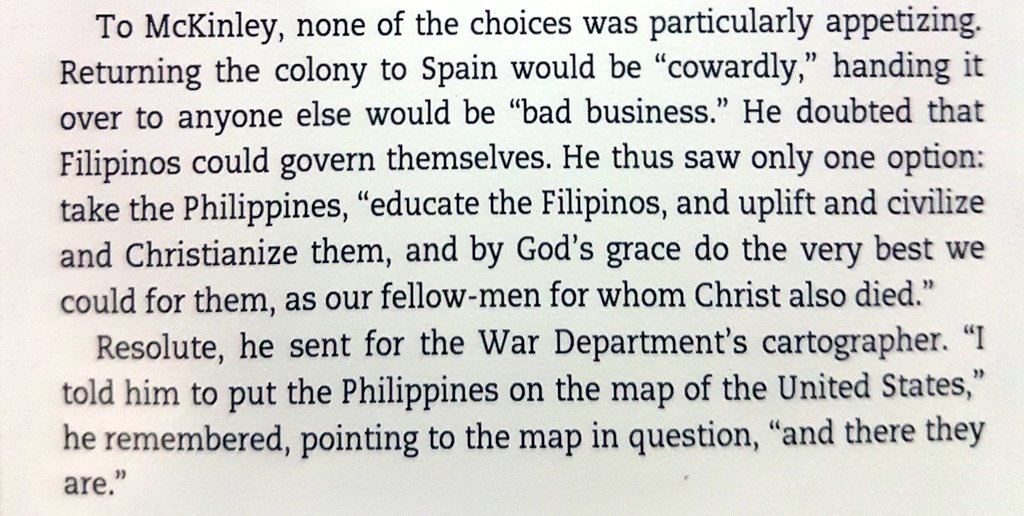
“I walked the floor of the [WH] night after night until midnight,” McKinley explained.., “and I am not ashamed to tell you, … that I went down on my knees and prayed Almighty God for light and guidance more than one night.”
This, about the Philippines. Wonder what God said? 🤔
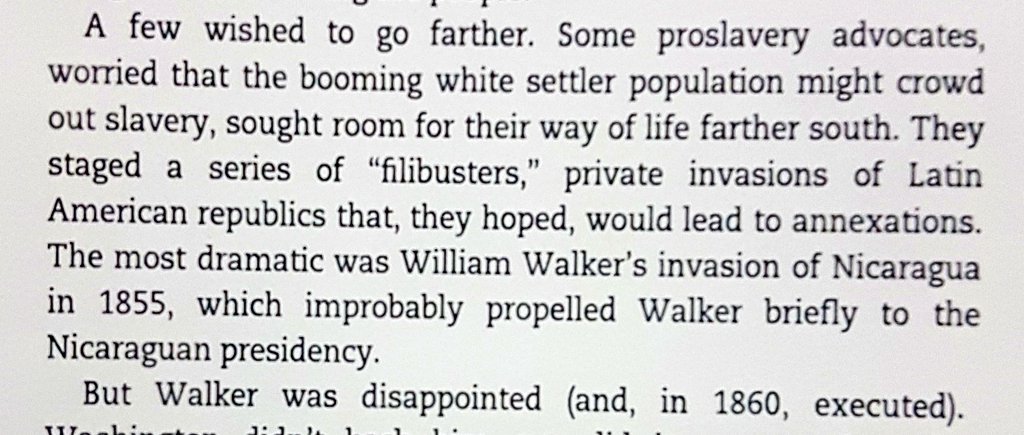
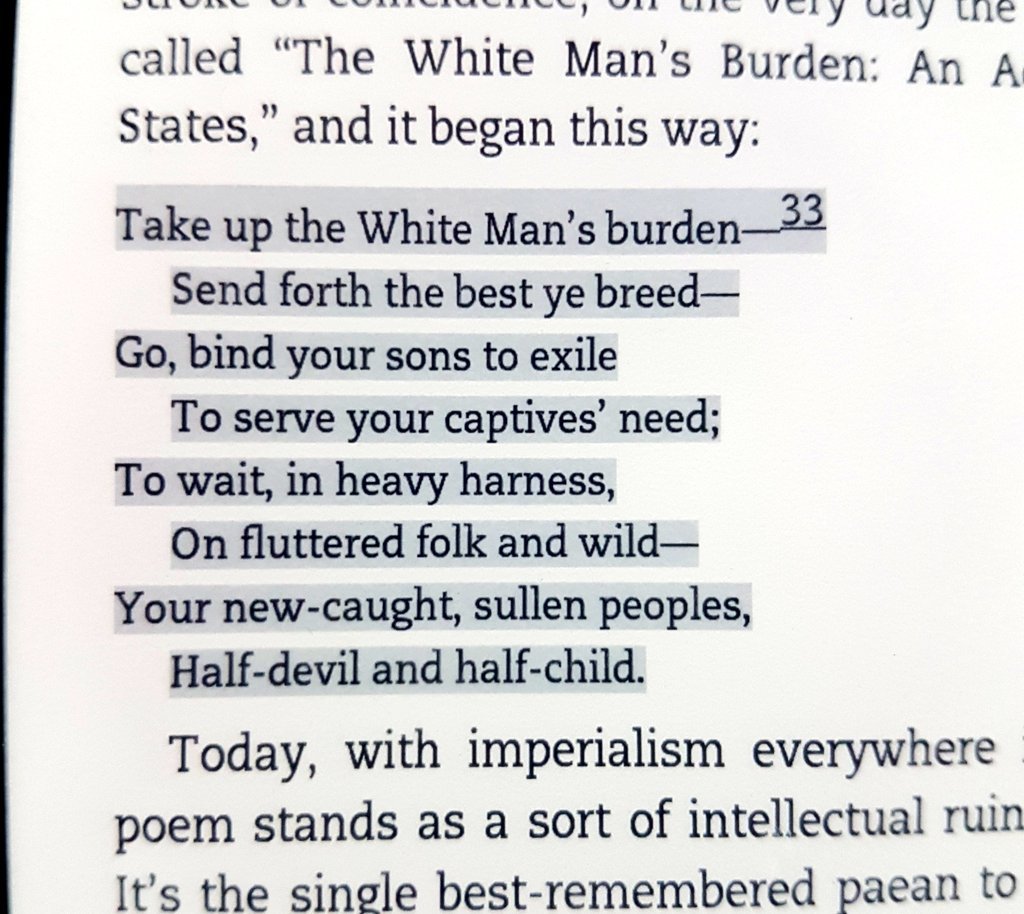

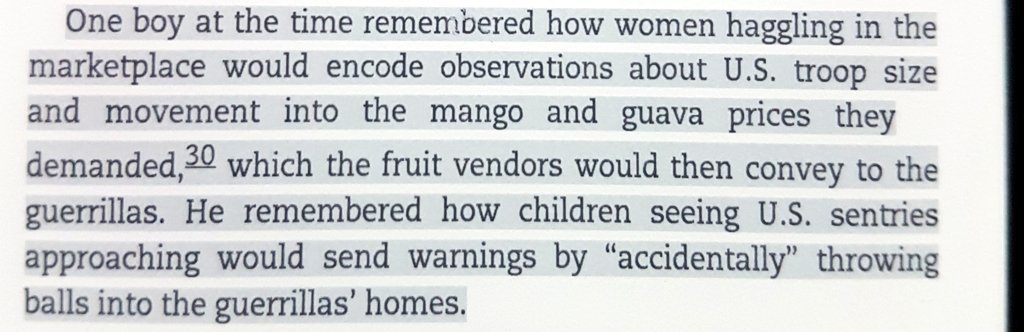

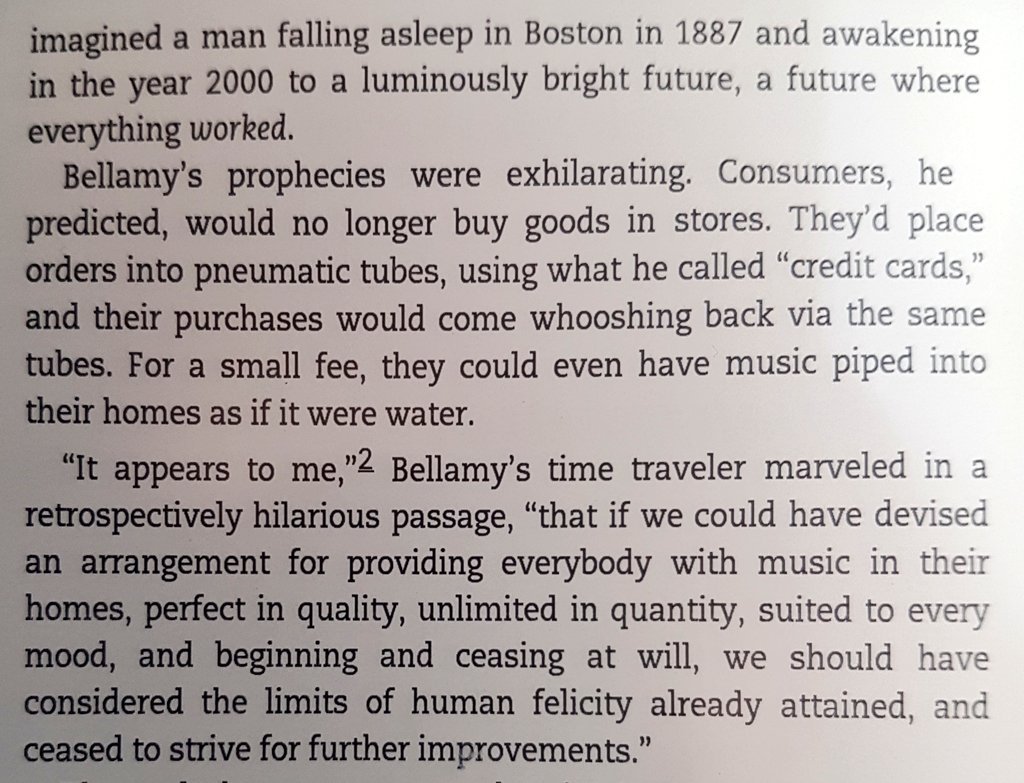
The story of how hookworm was handled in the American South (and it’s not gone yet) vs Puerto Rico is fascinating. cf how much help was offered to Puerto Rico after Hurricane Maria (yes, I am directing you to Google results, that last link).
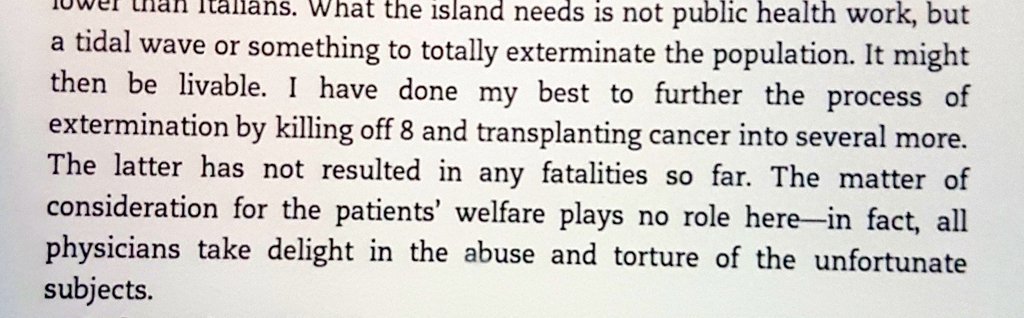
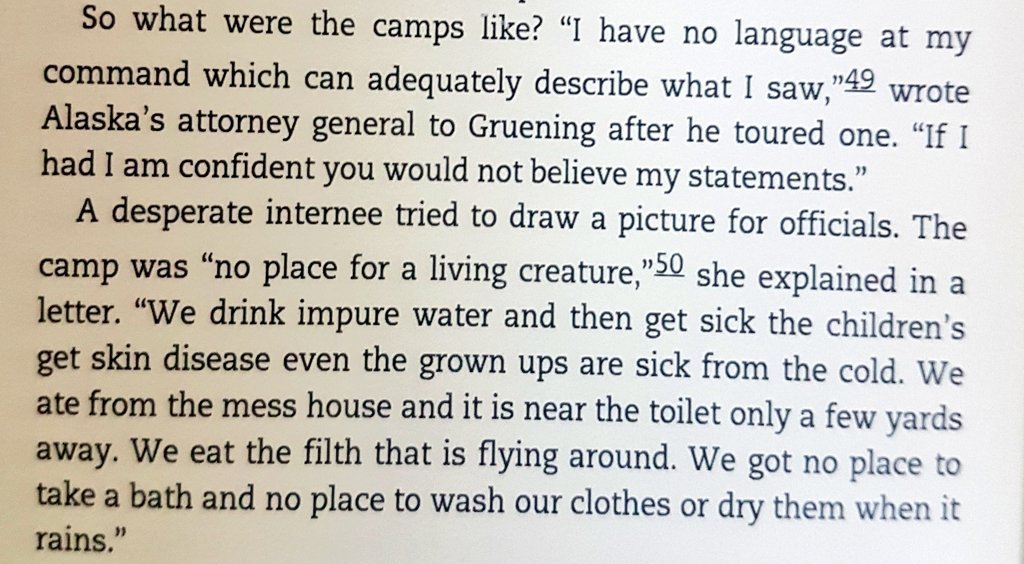
Was quite shook by the following:


What?!
Thought this might ring a bell, if you were following the news in the last few years:

And then there’s a whole section about Gregory Goodwin Pincus, who is lauded for co-discovering that amazing wonder, the contraceptive pill. But, did you know he tested it on Puerto Rican women without their consent?
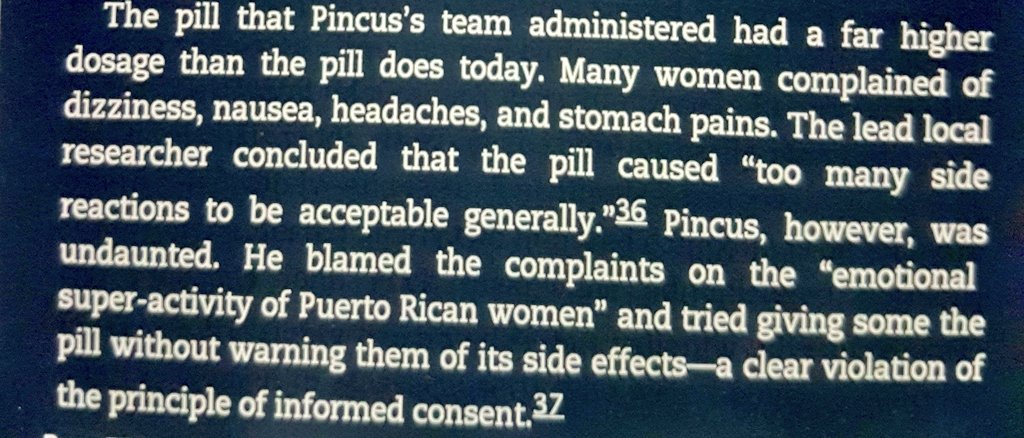
Then there’s a whole lot about the Philippines, which the US has never really let go of. One fascinating and unfortunate effect:
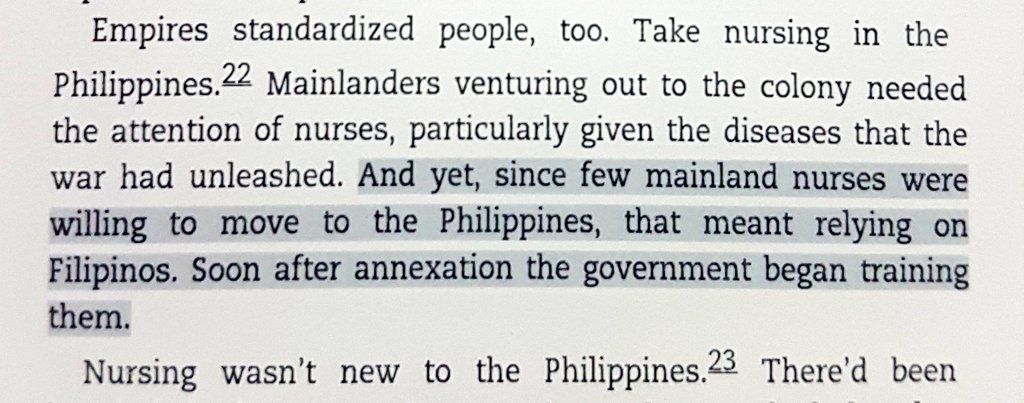
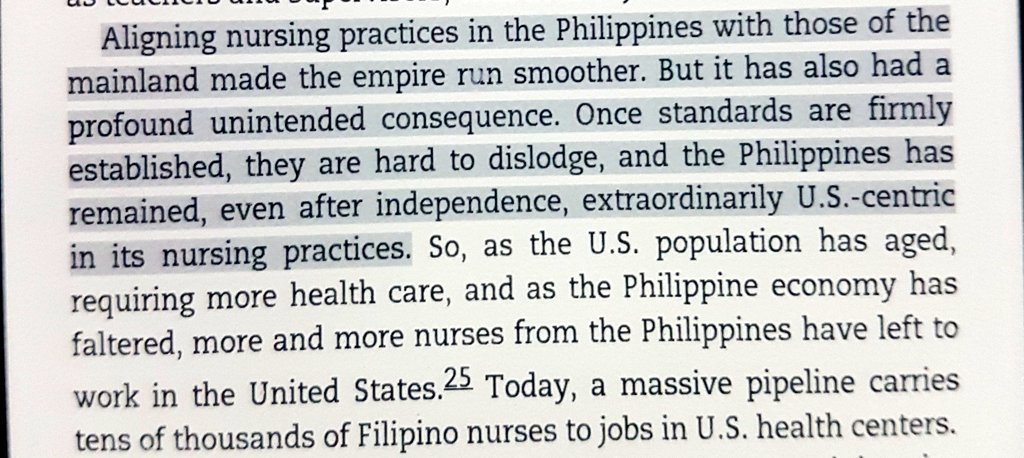
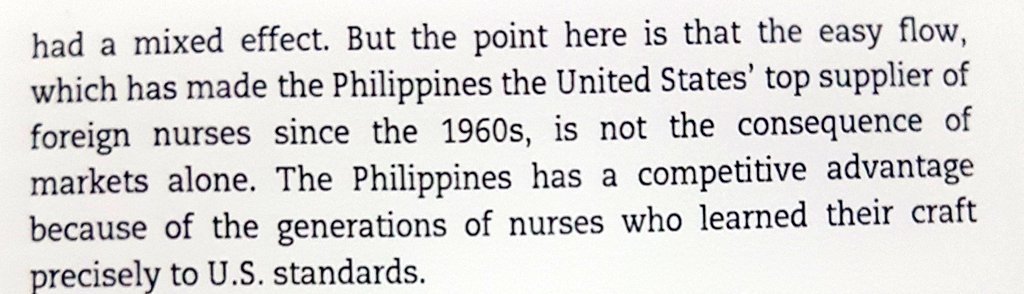
Also cf the British Empire.
I think this quote is a pretty apt summary of the US then and now.
.. If Congress were to “add to our Union men of blood and color alien to the people of the United States,” the Virginia representative asked, “where was that right to stop? Why not introduce our brethren of Cuba and Hayti?”
😬
This book managed to be both illuminating and entertaining, a pretty fine feat. The argument presented was persuasive, even if the book lacked nuance in some parts (which was to be expected, given the apparent (mild) bias of the writer). I learnt a lot of history, and particularly about why the US became such a force after WW2, and how that war changed everything: we have so much to thank it for, very unfortunately.
Very much recommend that you read this, if you have the time. Rated: 8/10.
 Harare Review of Books
Leave a comment