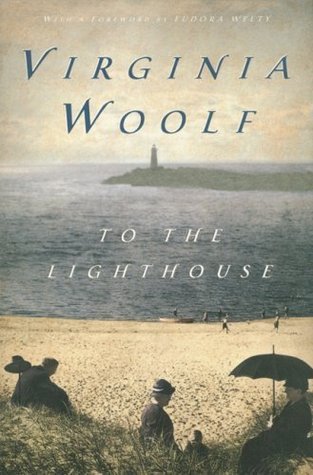
209 pages.
First published in 1927.
Finished reading on 13 Aug 2021.
Genre: Literary Fiction.
The serene and maternal Mrs. Ramsay, the tragic yet absurd Mr. Ramsay, and their children and assorted guests are on holiday on the Isle of Skye. From the seemingly trivial postponement of a visit to a nearby lighthouse, Woolf constructs a remarkable, moving examination of the complex tensions and allegiances of family life and the conflict between men and women.
As time winds its way through their lives, the Ramsays face, alone and simultaneously, the greatest of human challenges and its greatest triumph—the human capacity for change.
Had a mild rant over on Twitter about this, which I reproduce here, so no need to click over.
I’m in the middle of a course from the University of Edinburgh, How to Read a Novel, which I’m taking so I can bring you even better reviews.
This book is referred to in the second week, so I decided to take a quick detour to read it. Reader, it was not a quick detour. No detours ever are.
This is stream of consciousness again — so, Mrs Dalloway; but (interminably) longer. It is also, to me, rather repulsively racist ( An example of three instances just like this: “She stood screwing up her little Chinese eyes in her small puckered face”). (Don’t tell me it’s a product of its time).
Also, is it just me, or can there be a queer reading of Lily’s “admiration” for Mrs Ramsay?
In the end, it’s undoubtedly a wonderful study of a bunch of people; but why must we study them in so much bewildering depth?
In addition:
Darkly amusing that this is considered a true classic; but the world is changing only slowly, and one can still appreciate the structure of the book (if never the length — not me). So, read if you are a fan of literary fiction; but read also for an object lesson in what a limited canon finds acceptable.
So, listen. The “Chinese eyes” bothered me a lot, so I went on a search (always a good idea) to find out what other people thought. Here are links to some articles I found helpful:
Lily Briscoe’s «Chinese Eyes»: The Reading of Difference in Translated Fiction by Leo Chan Tak-hung
Oriental Woolf by Ira Nadel
Global Resonances Of Modernism and Feminism in Virginia Woolf and Shen Congwen by Lidan Lin
In other words, there are scholarly interpretations about Woolf, Orientalism and Empire that seem to explain this in terms intellectuals accept. I’m not an intellectual.
Rated: 5/10, mainly for structure.
I don’t know. I may need to attend a course on all of this.
 Harare Review of Books
Leave a comment