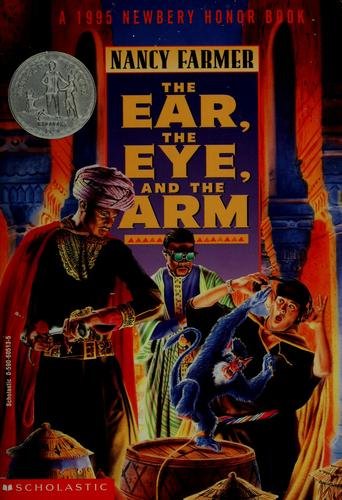
311 pages.
First published in (either 1989 or) 1994.
Finished reading on 28 June 2021.
Genre: Speculative Fiction.
Publisher’s blurb: General Matsika’s children steal out of the house on a forbidden adventure–and disappear. In Zimbabwe, in the year 2194, the children’s parents call in Africa’s most unusual detectives–the Ear, the Eye and the Arm–who have powers far beyond those of other human beings. The children must avoid the evils of the past, the technology of the future, and a motley assortment of criminals in order to return home safely. 1995 Newbery Honor Book; ALA Notable Book; ALA Best Book for Young Adults.
This is a quirky little book, (nominally) set in some kind of future (2194) Zimbabwe. I didn’t even want to say this, but this is Afrofuturism; even Africanfuturism 😭 The book has a Wikipedia entry! I believe it was first published by College Press (yes!) in 1989. I only knew about it because someone recommended it to me.
Sigh. Right off the bat, I wanted to complain about the Foreign Gaze, because the writer is American; but she must have done a great deal of research, and it shows. I confess to learning things from it. (She was also in /Zimbabwe/ as a Peace Corps volunteer between 1975 and 1978, and met her husband at UZ.)
My very first thought was that the book was weird — and it truly is, like any self-respecting speculative fiction should be. It’s also laugh-out-loud funny in many places, and the characters are extremely quirky. The central characters — the Eye, the Ear, and the Arm — are my favourites; their special gifts are awesome.
Do I sound really excited about this book? I’m afraid I’m not hugely so 😂 I don’t know why it’s set in Harare — except to give the children in the book names like Tendai and Kuda, and to talk about Borrowdale and Pomona. I was pretty annoyed with the setting, and also with Resthaven, an independent country (a Bantustan?? 😭) or village somewhere on the outskirts of Harare, where modernity is not allowed to intrude. (Incidentally, Resthaven had some of the best scenes!)
There are mediums, Gondwannans, skyscrapers and subways, some kind of mine either in the centre of Harare or in Mbare, and lots of spirits (the alcohol, the floaty not-humans, all of it). Actually, there’s a lot going on.
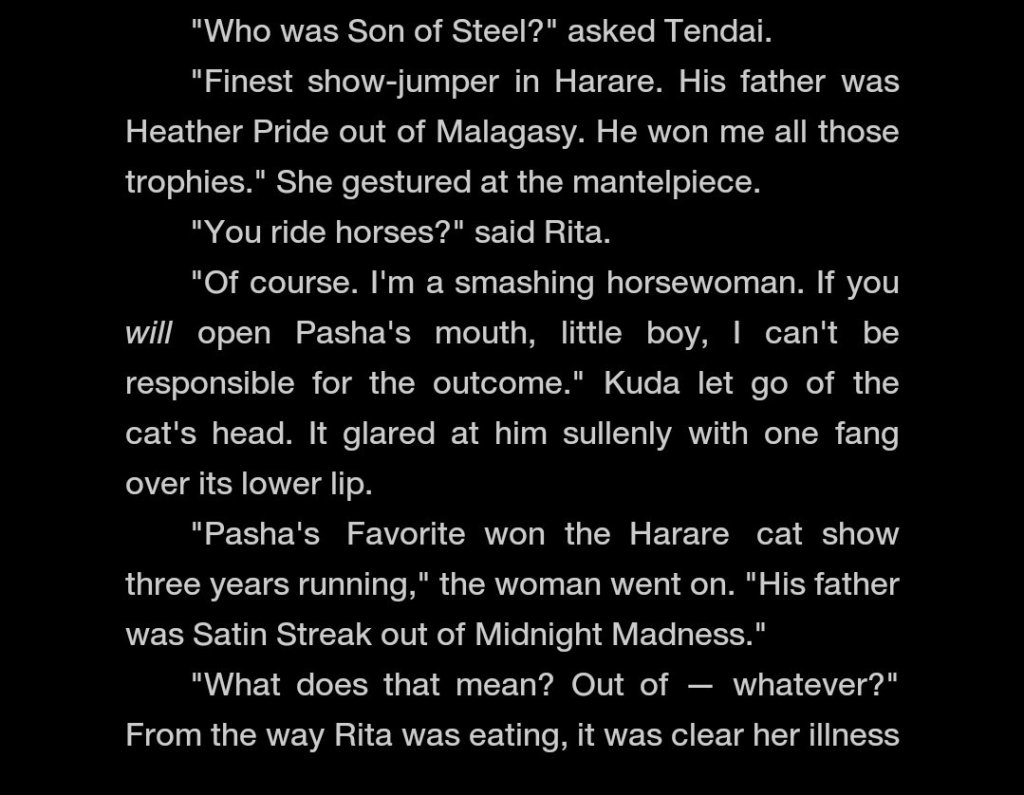
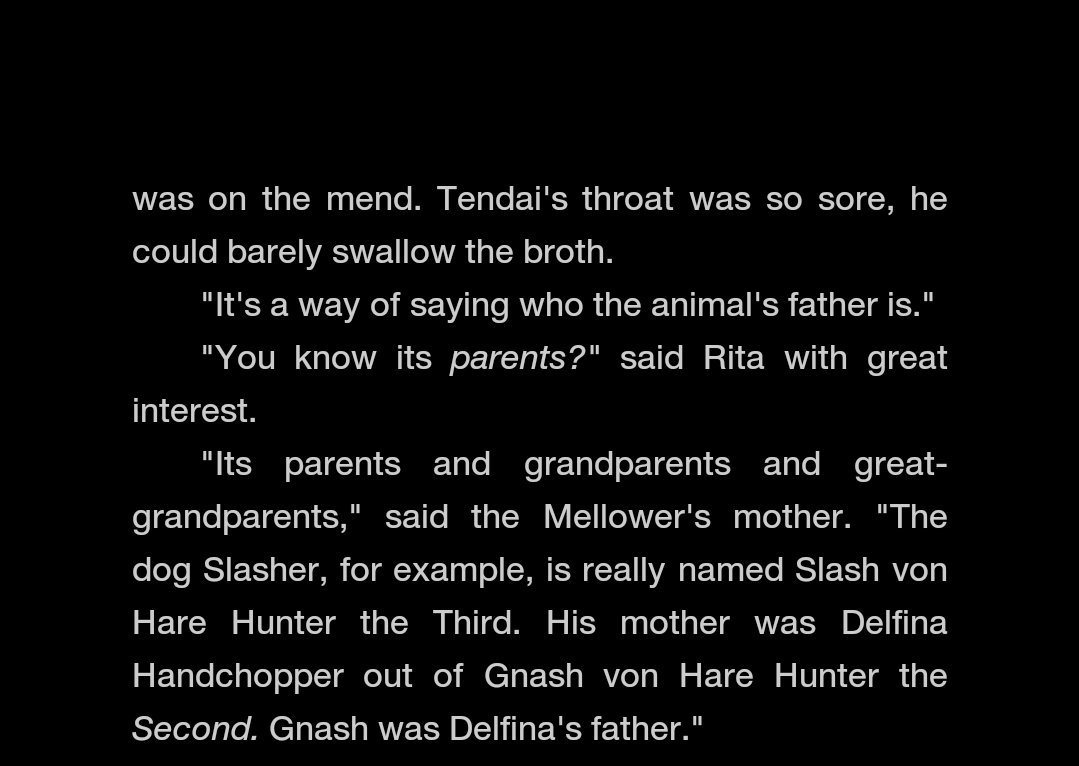
It’s all very entertaining, to be honest, and I put away my exasperation in the end so I could enjoy a good tale. Shona culture is celebrated, rather than appropriated. I did’t have any real complaints by the end.
If you’re getting your offspring to read it, the themes are probably more suitable for mid- to older teens than young children.
Rated: 6/10. Please read it, and let me know what you think.
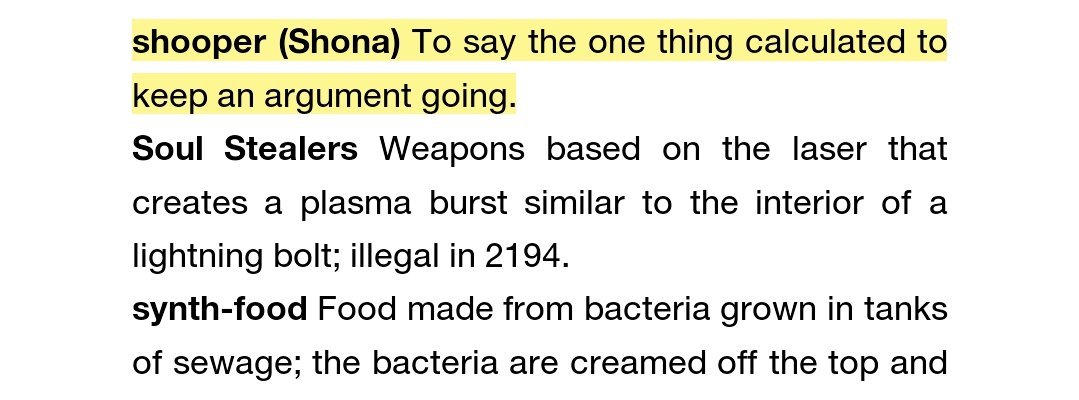
Don’t forget to read the Glossary and the Appendix, which manage to be both funny and educational:

 Harare Review of Books
Leave a comment